 Wiga Tap Manufacturer
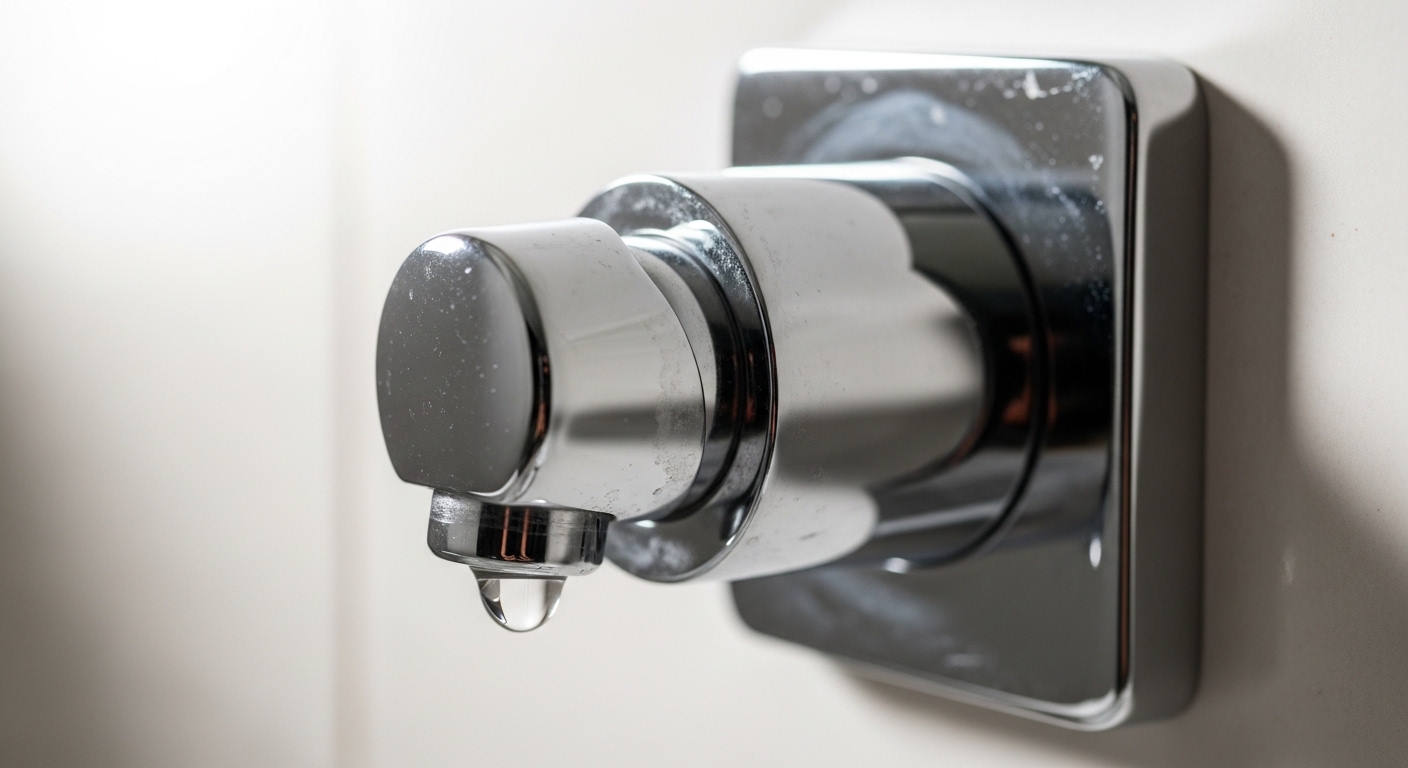
If your bidet faucet leaking problem has you mopping the floor or watching your water bill creep up, take a breath — this is one of the most common and most fixable faucet issues out there. In almost every case, the leak comes down to a small, cheap internal part that has worn out: a cartridge, an O-ring, a washer, or a loose connection under the deck. You do not need to replace the whole faucet, and you usually don’t need to call anyone. Below, we’ll walk through exactly where bidet faucets leak, how to diagnose which part is failing, and how to fix each one — the same way a good plumber would talk you through it over the phone.
At wigafaucet, we manufacture and stress-test bidet faucets, mixing valves, and sprayer assemblies every day, so we see the exact failure points these fixtures share. This guide is written from that bench-level experience, not copied talking points.
Where Is My Bidet Faucet Actually Leaking From?
Pinpoint the leak first — the location tells you the part. A bidet faucet has only a handful of places water can escape, and each one points to a specific fix. Dry everything with a towel, run the faucet, and watch closely for 30 seconds. Where the first bead of water appears is your answer.
Here are the five spots to check, from most to least common:
- Under the handle / base of the spout: The cartridge or its O-rings have worn out. This is the number-one cause.
- From the spout tip when the handle is fully “off”: A failed cartridge seal or valve seat — water is sneaking past when it shouldn’t.
- Under the sink or behind the wall (supply connections): Loose compression nuts, a bad supply-line washer, or worn thread tape.
- Where the sprayer hose meets the faucet body (on bidet spray/shattaf setups): A cracked hose gasket or a loose coupling nut.
- Around the deck plate or mounting nut: A dried-out base gasket letting water wick down through the mounting hole.
Knowing the location saves you from buying the wrong part. A drip at the spout tip is a cartridge job; a puddle in the vanity cabinet is a connection job. They’re completely different repairs.
Why Is My Bidet Faucet Dripping From the Spout Even When It’s Turned Off?
A spout that keeps dripping after you shut the handle almost always means a worn cartridge or a damaged valve seat. Inside your bidet mixer is a cartridge — a ceramic-disc or compression valve — that’s supposed to fully block the water when closed. When its internal seals or ceramic plates wear down, water seeps past and drips out the spout, sometimes for hours.
Ceramic-disc cartridges (used in most modern single-handle bidet faucets) are durable but not immortal. Grit, sediment, and hard-water minerals scratch the polished discs over time, and once they can’t seat flush, you get a phantom drip. Older two-handle bidet faucets use rubber washers against a brass seat; those washers simply compress and crack with age.
The fix is a cartridge or washer swap. The cartridge is the same concept behind most dripping faucets — if you want the full walk-through on identifying and matching one, our guide on what a single handle faucet cartridge is and which one to buy when yours starts dripping covers the exact process. And if you own a Delta-style bidet mixer, the specific parts and steps are laid out in our piece on the right Delta faucet cartridge replacement parts and how to swap them yourself.
How Do I Fix a Bidet Faucet Leaking at the Handle? (Step by Step)
A leak at the handle base means the cartridge O-rings are worn — replace the cartridge or its O-rings and the leak stops. Here’s the exact sequence, and it takes most people under an hour.
- Shut off the water. Turn the two angle stops under the sink (or the bidet’s dedicated shutoffs) clockwise until they stop. Open the faucet to release pressure and confirm the water is truly off.
- Plug the drain so you don’t lose the tiny screws, and lay a towel in the basin.
- Remove the handle. Pop off the decorative cap, back out the set screw (usually a small hex/Allen screw), and lift the handle off.
- Unthread the retaining nut or clip. Use an adjustable wrench or pliers; some cartridges are held by a brass nut, others by a horizontal U-clip you pull straight up.
- Pull the cartridge straight out. If it’s stuck from mineral buildup, wiggle gently or use a cartridge-puller. Note its orientation — snap a phone photo before it comes out.
- Inspect and replace. Look at the O-rings and the cartridge body. If the O-rings are flat, cracked, or gummy, replace them with the matching size and a dab of silicone plumber’s grease. If the cartridge itself is scored, swap the whole cartridge.
- Reassemble in reverse and turn the water back on slowly. Run it for a minute and check for drips before you walk away.
The single most common mistake is buying a generic cartridge that doesn’t match. Bidet faucet cartridges vary in length, spline count, and hot/cold orientation. Bring the old cartridge to the store or match the model number exactly. A leak at the handle is the same failure pattern we break down in detail in our guide to why a bathroom sink faucet handle leaks and how to fix it yourself — the diagnosis and repair steps carry straight over to bidet mixers.
Why Is My Bidet Faucet Leaking Under the Sink or at the Supply Line?
A leak under the sink is a connection problem, not a faucet-body problem — usually a loose compression nut or a failed supply-line washer. If your vanity floor is wet but the faucet itself looks dry on top, water is escaping at one of the threaded joints below.
Work through these in order:
- Snug the compression nuts. Hand-tight plus a quarter-turn with a wrench is usually enough. Over-tightening cracks the nut or crushes the ferrule, so don’t gorilla it.
- Replace the supply-line washer or the whole hose. Braided stainless supply lines are cheap ($5–$12) and reliable; if yours is old rubber or the washer is deformed, just replace the line.
- Re-tape the threads. On tapered (NPT) threaded fittings, wrap fresh PTFE plumber’s tape three to four times clockwise before reconnecting. Note: never use tape on the compression side — those seal by metal-to-ferrule contact, not thread.
- Check that you have the right connector size. A mismatched adapter that “almost fits” will weep forever.
Getting the fitting size right matters more than people think. If you’re not sure what your bidet supply line calls for, our plain-English breakdowns of the right faucet supply line dimensions for your sink and what a faucet hook up adapter is and which one you actually need will keep you from buying the wrong part twice.
Which Part Is Failing? A Quick Diagnosis Table
Match your symptom to the part below to skip straight to the fix. This is the same triage chart our support team uses.
| Symptom / Where It Leaks | Most Likely Cause | Typical Fix | Part Cost |
|---|---|---|---|
| Drips from spout when off | Worn cartridge / valve seat | Replace cartridge or washer | $8–$25 |
| Water seeps at handle base | Cracked cartridge O-rings | Replace O-rings or cartridge | $3–$25 |
| Puddle inside vanity cabinet | Loose nut / bad supply washer | Tighten or replace supply line | $5–$12 |
| Leak at sprayer hose (shattaf) | Cracked hose gasket / loose coupling | Replace gasket, re-seat coupling | $4–$15 |
| Weeping around deck/base | Dried mounting gasket | Replace base gasket, re-seat faucet | $3–$10 |
| Reduced flow + drip together | Hard-water scale buildup | Descale cartridge & aerator | $0–$10 |
Can Hard Water Cause a Bidet Faucet to Leak?
Yes — hard water is a leading hidden cause of bidet faucet leaks. Calcium and magnesium in hard water leave chalky scale on the ceramic discs, valve seats, and aerator. That scale acts like grit: it holds the valve slightly open and scratches the sealing surfaces, so the faucet drips even when closed.
If you have hard water (white crusty deposits around the spout are the giveaway), you’ll get more frequent cartridge failures than someone on soft municipal water. The good news: you can slow it down. Soak the removed cartridge and aerator in a 50/50 white vinegar and water solution for an hour, brush off the softened scale with an old toothbrush, rinse, and reinstall. Do this once or twice a year and your seals last dramatically longer.
Scale-related dripping is the same root issue that plagues sprayers and diverters, too. If your bidet has a side sprayer that’s gotten stiff or drippy alongside the leak, our guide on why a faucet sprayer sticks and how to fix it fast tackles the mineral-buildup angle directly.
When Should I Just Replace the Whole Bidet Faucet Instead of Repairing It?
Repair when the body is sound and only a seal has failed; replace when the faucet body is cracked, the finish is corroding, or you’ve already rebuilt it twice. A quality bidet faucet is designed to be serviced — you should be swapping cartridges and O-rings, not the whole fixture, for the first decade of its life.
Consider a full replacement when:
- You can see a hairline crack in the brass or zinc body — no seal fixes structural cracks.
- The chrome or brushed finish is flaking and pitting, which usually means the underlying metal is corroding.
- Replacement cartridges are discontinued or impossible to match (common with ultra-cheap import faucets).
- You’ve replaced the cartridge twice in two years — the valve body itself may be worn.
This is exactly why the build quality of the faucet you buy matters so much. Cheap fixtures use thin zinc bodies and non-standard cartridges that fail fast and can’t be sourced. Our dealers make this case bluntly in why you should never buy cheap bathroom fixtures, and it’s the single biggest predictor of whether your bidet faucet will be a five-minute repair or a full teardown. When you do shop for a replacement, look for a solid brass body, a standard ceramic-disc cartridge, and a real warranty.
What Tools and Parts Do I Need to Stop the Leak?
You can handle 90% of bidet faucet leaks with a basic kit that costs less than one plumber visit. Here’s the short list:
- Adjustable wrench and/or channel-lock pliers
- Set of hex/Allen keys for the handle set screw
- Replacement cartridge or O-ring/washer kit matched to your model
- Silicone plumber’s grease (never petroleum-based — it degrades rubber)
- PTFE plumber’s tape for threaded supply fittings
- White vinegar for descaling
- A towel and a small container for screws
Total spend is usually $15–$40, versus the going rate for a plumber. If you’re weighing DIY against calling someone, our honest breakdown of how much a plumber charges to install a bathroom faucet in 2026 gives you the real numbers so you can decide which repairs are worth your own time.
FAQ
Why does my bidet faucet drip right after I turn it off?
A few seconds of drip after shutoff is normal — that’s just water clearing the spout. But if it keeps dripping for minutes or hours, the cartridge or valve seat is worn and letting water past. Replace the cartridge to stop it.
Can I fix a leaking bidet faucet without turning off the main water supply?
Usually yes. Most bidet faucets have dedicated angle-stop shutoff valves under the sink or beside the unit. Close those instead of the whole-house main. If your bidet has no local shutoffs, then you’ll need to close the main before opening anything up.
How long does a bidet faucet cartridge last?
On soft or filtered water, a quality ceramic-disc cartridge typically lasts 8–15 years. On hard water, expect closer to 3–7 years unless you descale periodically. Matching a genuine cartridge and greasing the O-rings on install extends that life.
Is a leaking bidet faucet dangerous or just annoying?
It’s rarely an emergency, but don’t ignore it. A slow leak wastes hundreds of gallons a year, stains fixtures, and — if it’s leaking under the sink — can rot the cabinet and grow mold. Fix it within a week or two of noticing.
My bidet sprayer (shattaf) is leaking where the hose connects — what do I do?
That’s almost always a cracked rubber gasket inside the coupling nut or a coupling that’s backed loose. Unthread the hose, replace the small washer/gasket, wrap the threads if they’re tapered, and hand-tighten firmly. A new gasket costs a few dollars.
Does replacing the cartridge require draining the whole faucet?
No. Just shut the local supply valves, open the faucet to release residual pressure, and have a towel ready for the small amount of trapped water. There’s no need to drain the lines beyond that.
Author note: This guide was written by the wigafaucet product team, drawing on hands-on bench testing and cartridge-failure analysis of the bidet mixers and sprayer assemblies we manufacture. Every fixture in our line is pressure- and cycle-tested against ASME A112.18.1 / CSA B125.1 sealing standards before shipping, and our bidet faucets carry a limited lifetime warranty on the finish and cartridge — because a well-built faucet should be a five-minute repair, not a replacement.