 Wiga Tap Manufacturer
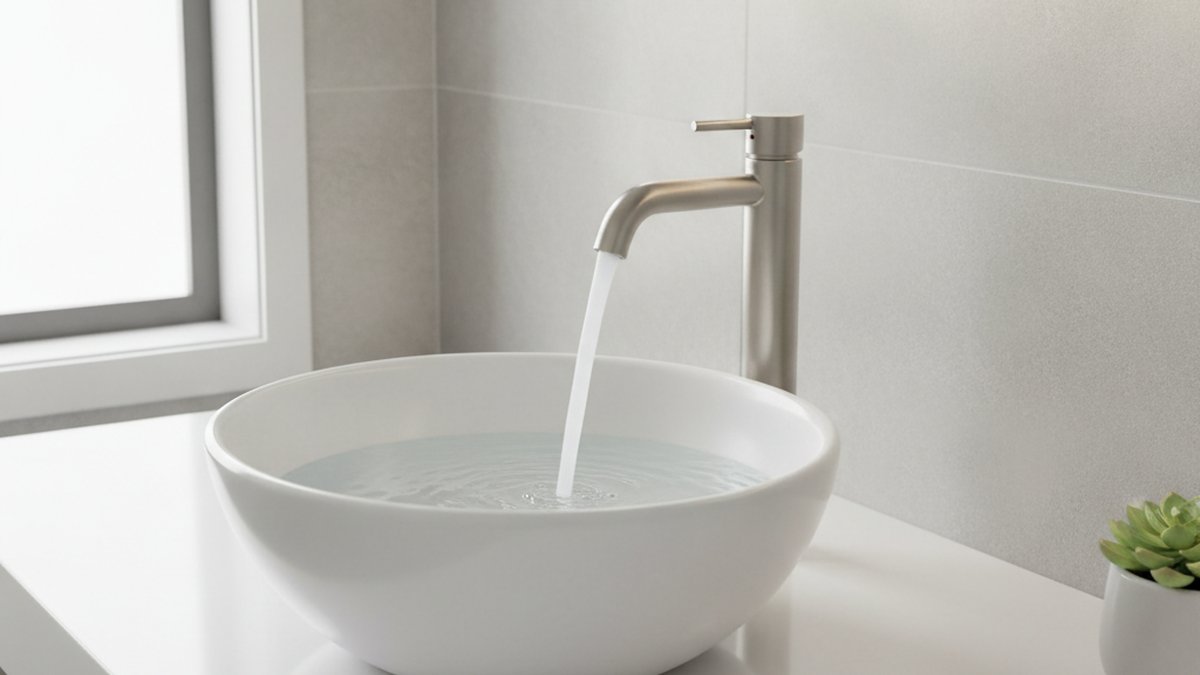
A toto vessel sink faucet is the specific style of tap you need when your sink sits on top of the counter instead of dropping into it — the extra height lets water land in the middle of the bowl instead of splashing off a low rim. TOTO builds these around ceramic-disc cartridges and lead-free brass bodies, which is why they show up so often in hotel remodels and higher-end residential baths. But “worth it” depends entirely on getting the geometry right, so let’s walk through exactly what to check before you buy.
At wigafaucet.com we fit and sell hundreds of above-counter faucets a month, and the number one return reason we see isn’t quality — it’s a spout that’s too short for the bowl. Get the measurements right and a vessel faucet is one of the most reliable fixtures in the bathroom. This guide is the checklist we actually use.
What exactly is a TOTO vessel sink faucet, and how is it different from a regular bathroom faucet?
It’s a single-hole faucet with an unusually tall body designed to reach up and over the rim of a vessel (above-counter) sink. A standard bathroom faucet is built for a basin recessed into or level with the countertop, so its spout only stands about 4–6 inches tall. A vessel bowl adds 4–6 inches of height on top of the counter, so a standard faucet would dump water against the side of the bowl. The vessel version solves this by raising the spout — and the aerator — high enough to clear the rim and pour into the center.
TOTO is a Japanese fixture manufacturer best known for toilets, but its faucet line uses the same engineering priorities: ceramic-disc cartridges rated for hundreds of thousands of on/off cycles, lead-free brass waterways that meet the U.S. federal “lead-free” limit, and finishes applied over a solid metal body rather than plastic. That’s the meaningful difference from a $40 no-name vessel faucet — the valve and the body, not just the look.
- Spout height: vessel versions run roughly 9–12 inches tall vs. 4–6 inches for standard.
- Mounting: almost always a single deck hole (1⅜ inch / 35 mm standard).
- Valve: ceramic disc — the part that determines whether it drips in year three.
- Reach: the horizontal distance the spout extends, which has to line up with your bowl’s center.
How tall should a vessel sink faucet be for my bowl?
Add your bowl’s exterior height to a few inches of clearance, and your faucet’s spout should end 1–3 inches above the rim. In practical numbers: measure the height of your vessel bowl from the counter to its rim, then choose a faucet whose spout outlet sits at least an inch higher, ideally two. If your bowl is 5.5 inches tall, you want the water to exit at roughly 7–8 inches above the counter, which usually means a faucet with an overall body height around 11–13 inches.
The trap people fall into is reading only the total faucet height and ignoring where the water actually comes out. On a gooseneck design the outlet is set back and lower than the top of the arc, so a “12-inch” faucet might only deliver water at 8 inches. Always look at the manufacturer’s dimension diagram for the spout outlet height, not just the tallest point.
What about spout reach — will the water hit the drain or the rim?
The spout reach needs to place the water stream over the center of the bowl, roughly at the drain. Measure from the center of your mounting hole to the center of your basin, then match that to the faucet’s published reach. If the reach is too short, water lands near the back wall of the bowl and splashes; too long and it overshoots toward you. For a typical 15–17 inch round vessel bowl mounted with 2–3 inches of counter behind it, a reach of 4.5–6 inches is usually the sweet spot.
Will a TOTO vessel faucet fit my countertop and sink holes?
Almost certainly yes if you have a single-hole vessel setup — nearly all vessel faucets, TOTO included, use one 1⅜-inch (35 mm) deck hole. The problem only appears when your counter was pre-drilled for a widespread or centerset configuration with three holes spread 4 or 8 inches apart. A single-hole vessel faucet can’t cover those extra holes on its own.
If you’re staring at a three-hole counter and a single-hole faucet, you have two clean options: use an escutcheon/deck plate sized to hide the outer holes, or reconsider the layout entirely. It helps to understand hole spacing before you commit — our explainer on what widespread faucet spread means and which size fits your sink walks through the 4-inch vs. 8-inch measurements so you don’t order the wrong base. And if you actually want a single clean hole to begin with, the logic in our guide to a chrome bathroom faucet one-hole setup applies directly to vessel faucets, since both live in that one 35 mm opening.
Do I need a special drain for a vessel sink?
Yes — vessel sinks use a specific drain, and it matters more than people expect. Because a vessel bowl sits above the counter, most use a grid or pop-up-without-overflow drain, since the bowl usually has no overflow hole. If your bowl does have an overflow slot, buy an overflow-style pop-up; if it doesn’t, buy the non-overflow version or you’ll get a slow, gurgling drain and possible leaks. TOTO and most quality brands sell matching drains in the same finish so the faucet and drain don’t clash.
Which finish should I choose, and will it hold up over hard water?
Choose polished chrome or brushed nickel for the best long-term durability and easiest cleaning; matte black and brushed gold look great but show water spots and require more careful maintenance. Finish is where vessel faucets get judged visually because the whole body is exposed above the counter — there’s no cabinet or backsplash hiding it. Here’s how the common options actually behave day to day.
| Finish | Look | Hard-water spotting | Maintenance | Best for |
|---|---|---|---|---|
| Polished Chrome | Bright, mirror-like | Low–moderate | Wipe with damp cloth | Budget-conscious, high-use baths |
| Brushed Nickel | Warm, satin gray | Low (hides spots) | Very forgiving | Everyday family bathrooms |
| Matte Black | Bold, modern | High (shows minerals) | Frequent wiping, no acids | Design-forward, soft-water homes |
| Brushed Gold / Champagne Bronze | Luxe, warm | Moderate | Gentle, no abrasives | Statement powder rooms |
If you’re in a hard-water area, brushed nickel is the most forgiving choice because the satin texture hides the white mineral haze that makes chrome and black look dirty. Whatever you pick, clean it with a soft damp cloth and skip the acidic or abrasive cleaners — those strip the protective coating on any faucet. The same principles we cover in how to clean brushed gold faucets without wrecking the finish apply to a TOTO gold or bronze vessel faucet too.
Is the material worth paying for — brass vs. zinc vessel faucets?
Yes, a solid lead-free brass body like TOTO uses is worth the premium over a zinc-alloy faucet if you plan to keep the sink more than a few years. Brass resists corrosion, holds threads without stripping, and doesn’t get brittle the way cheaper zinc alloy can after repeated temperature swings. The difference is invisible on day one and very visible in year five.
Vessel faucets are especially worth spending on because the whole body is exposed to air and splashing — there’s nowhere for a corroding base to hide. We break down the trade-offs in detail in our comparison of zinc alloy vs. stainless steel faucets, and the short version holds here: for a fixture you look at every day and use thousands of times, the metal underneath the finish is where quality lives.
Does “lead-free” actually matter for a bathroom faucet?
Yes — even if you don’t drink from the bathroom tap, U.S. law requires wetted surfaces to meet the lead-free standard (a weighted average of ≤0.25% lead), and TOTO faucets are built to comply. This matters because kids rinse toothbrushes and cups under bathroom faucets, and any first-draw water that sat in the spout overnight passes through those internal waterways. If you want the full picture of why this standard exists and how to read the certification, our guide to a lead-free faucet kitchen setup explains the same NSF/ANSI 372 rules that govern bathroom fixtures.
How hard is it to install a vessel sink faucet myself?
For a single-hole vessel faucet on an existing hole, it’s a genuine 45-minute DIY job with basic tools — no plumber required. The tall body actually makes it easier than a standard faucet because you’re working with one shank and one hole instead of three. Here’s the sequence.
- Shut off the hot and cold supply valves under the counter and open the old faucet to release pressure.
- Disconnect the supply lines and remove the old faucet’s mounting nut from below.
- Drop the new faucet’s shank through the 1⅜-inch hole, seating the rubber or metal gasket on top of the counter.
- From underneath, thread on the mounting washer and nut and hand-tighten, then snug with a basin wrench. Don’t overtighten onto a stone or glass counter.
- Connect the flexible supply lines to the hot and cold valves — hand-tight plus a quarter turn with a wrench.
- Install the matching vessel drain and connect the P-trap.
- Turn the water back on slowly, remove the aerator, and run the faucet 30 seconds to flush debris before checking every joint for drips.
The one place people slip up is the connection between the flexible supply hose and the valve — overtightening cracks the washer and causes a slow weep. If you want to see how that failure looks and how to avoid it, our piece on a kitchen faucet leaking from the flexible hose shows the exact same connection you’ll be making under a vessel sink.
How much should a good vessel sink faucet cost in 2026?
Expect to pay $90–$180 for a quality single-handle vessel faucet with a ceramic-disc valve and solid brass body, with genuine TOTO models often landing at the upper end and premium designer lines going higher. Below about $60 you’re almost always getting a zinc body and a lower-cycle cartridge that’s more likely to drip within a couple of years. Above $250 you’re paying for brand cachet and specialty finishes more than function.
| Price tier | Typical build | Valve | What to expect |
|---|---|---|---|
| $40–$60 | Zinc alloy, thin coating | Basic ceramic or rubber | Fine for rentals, may drip in 1–2 yrs |
| $90–$180 | Lead-free solid brass | Long-life ceramic disc | Sweet spot — TOTO and comparable brands |
| $200+ | Brass + premium/PVD finish | Premium ceramic disc | Designer looks, specialty finishes |
At wigafaucet.com we stock vessel faucets across all three tiers, but for a bathroom you’ll use daily we steer most customers to the middle band. That’s where the brass body and the good cartridge live, and it’s the range where the price-to-lifespan math actually works out in your favor.
FAQ
Can I use a regular bathroom faucet with a vessel sink?
Not well. A standard 4–6 inch faucet won’t clear the raised rim of a vessel bowl, so water hits the side and splashes onto the counter. You need either a purpose-built tall vessel faucet or a wall-mounted faucet positioned above the rim. If you’re leaning toward wall-mount, check the spout reach carefully — our guide to a short-spout-reach wall-mount faucet covers how to avoid overshooting a shallow bowl.
How do I stop a vessel faucet from splashing?
Splashing almost always comes from the spout being too tall for the bowl or the stream hitting a shallow, flat-bottomed basin. Lower the effective height by choosing a faucet whose outlet sits 1–3 inches above the rim, aim the stream at the drain rather than a flat spot, and pick a deeper bowl. A quality aerator that softens the stream also cuts splashing dramatically.
Are TOTO vessel faucets compatible with any vessel sink brand?
Yes — vessel faucets and vessel sinks follow standard dimensions (a single 1⅜-inch deck hole and standard drain sizing), so a TOTO faucet works with almost any brand of vessel bowl. The only compatibility question is geometry: match spout height and reach to the specific bowl, and match the drain to whether the bowl has an overflow.
Why is my new vessel faucet dripping already?
A brand-new faucet that drips is usually debris caught in the cartridge from flushing the lines, an aerator issue, or an overtightened supply connection cracking a washer — not a defective valve. Remove and rinse the aerator, flush the lines with the aerator off, and check that your supply-line connections aren’t overtightened. If it still drips after that, the ceramic cartridge may need reseating or replacing under warranty.
Do vessel faucets need a taller drain or special plumbing?
The supply plumbing is identical to any single-hole faucet, but the drain is specific: vessel bowls usually need a non-overflow grid or pop-up drain because the bowl has no overflow channel. The P-trap connection below the counter is standard, so no unusual rough-in is required — just buy the correct drain type for your bowl.
How long should a quality vessel sink faucet last?
A solid-brass, ceramic-disc vessel faucet like TOTO’s should last 15–20 years or more with basic care, and the cartridge itself is rated for hundreds of thousands of cycles. Most quality brands back the finish and function with a limited lifetime warranty for residential use, so keep your receipt and register the product.
About the author & our testing: This guide was written by the wigafaucet.com fixtures team, who spec, install, and pressure-test bathroom faucets daily across residential and light-commercial projects. We bench-test vessel faucets for spout-outlet height, reach accuracy, and cartridge drip resistance, and we cross-check lead-free compliance against NSF/ANSI 372 documentation before we list a product. Every faucet we recommend carries a manufacturer warranty; always confirm the specific warranty terms and installation requirements for your model before you buy.