 Wiga Tap Manufacturer
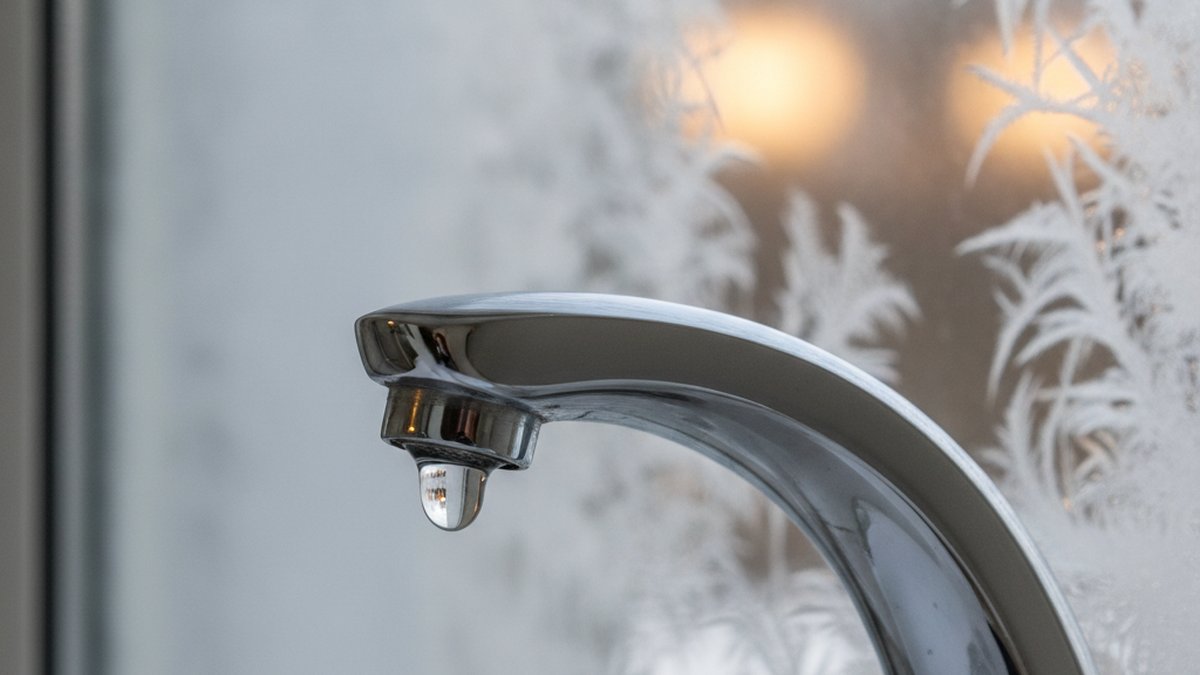
If you’re staring at a dripping faucet in winter and can’t tell whether it’s protecting your home or quietly wasting water and money, you’re asking exactly the right question. The answer changes everything about what you should do next: an intentional cold-weather drip should be left running during a hard freeze, while an accidental drip from a failing valve should be fixed before it gets worse and your water bill balloons. Below, we’ll walk through how to tell them apart, why cold weather makes faucets drip in the first place, how to fix each cause, and when a winter drip is actually a warning sign of a frozen or cracked pipe.
We repair and sell faucet parts every day at wigafaucet, so we see the same winter panic every January — people either ignoring a real leak or frantically trying to “fix” a drip a plumber told them to leave on. Let’s clear it up.
Is a dripping faucet in winter normal, or is something actually broken?
It depends entirely on who turned it on. If you or a plumber opened the faucet to a slow, pencil-thin trickle during a cold snap, that drip is normal and intentional — it relieves pressure and keeps water moving so pipes don’t freeze and burst. If nobody touched the handle and it started dripping on its own, something inside the faucet is worn or damaged, and it’s a repair.
Here’s the quick test. Turn the handle firmly to the full “off” position. If the drip stops, it was never a leak — you simply had the tap cracked open (or the handle got bumped). If it keeps dripping with the handle all the way off, the internal seal is failing and cold weather has made it worse. That distinction is the whole ballgame, so start there before you buy a single part.
One more clue: where is it dripping? A drip from the spout (the water outlet) points to a worn cartridge, washer, or seat — the valve isn’t sealing. A drip or leak from the base of the handle or under the sink points to a failed O-ring or a loose connection. They’re fixed differently, so note the location before you grab a wrench.
Why does cold weather make a faucet start dripping out of nowhere?
Cold weather makes faucets drip because the rubber and plastic parts inside contract, harden, and lose their flexible seal when temperatures drop. A washer or O-ring that sealed fine in October can shrink just enough in a January freeze to let water sneak past — and once it starts, the constant trickle wears the surface even faster.
There are a few overlapping reasons a faucet suddenly drips when it gets cold:
- Rubber shrinks and stiffens. Washers and O-rings are elastic by design. Cold reduces that elasticity, so a marginal seal that was “good enough” fails at 20°F.
- Water pressure spikes. Cold water is denser, and utilities sometimes run higher winter pressure. More pressure behind a tired washer means more drips.
- Thermal expansion cycles. Metal valve seats expand and contract as hot and cold water pass through. Over years, that cycling scratches the seat so it can’t seal cleanly — and winter is when you notice.
- Sediment and mineral buildup. Hard-water scale on the cartridge or seat holds the valve slightly open. Cold just makes an already-marginal seal fail.
- A partial freeze. This is the important one — ice forming inside or near the valve can hold it open or crack a component, causing a drip that’s really a symptom of freezing.
So a winter drip isn’t random. It’s almost always a part that was near the end of its life, pushed over the edge by the cold. The good news: the fixes are cheap and DIY-friendly. If your specific faucet is an American Standard and it’s dripping at the spout, we walk through that exact repair in why your leaking American Standard bathroom faucet drips and how to fix it.
Should I leave a faucet dripping in winter to keep pipes from freezing?
Yes — during a hard freeze, deliberately leaving a faucet at a slow drip is one of the cheapest, most effective ways to prevent a burst pipe. Moving water is much harder to freeze than still water, and an open tap relieves the pressure that actually causes pipes to rupture. But you only need to do this when it’s genuinely cold and only on the pipes most at risk.
Here’s how to do it right instead of just wasting water all winter:
- Only drip during a real freeze. Rule of thumb: when overnight lows drop below about 20°F (-6°C), especially for a sustained cold snap. You don’t need to drip on a 40°F night.
- Drip the faucet farthest from where water enters the house, and any faucet on an exterior wall or over an unheated space (garage, crawl space). Those pipes freeze first.
- Use both hot and cold. If it’s a two-handle faucet, crack both slightly so both supply lines keep moving. On a single-handle mixer, set it to lukewarm so both lines flow.
- A trickle is enough. You want a thin, steady stream about the width of a pencil lead — roughly 5 drips per second, not a running tap. That’s typically a few gallons overnight, far cheaper than a flooded house.
- Open cabinet doors under sinks on exterior walls so warm room air reaches the pipes.
It’s worth understanding why this works: a bursting pipe usually doesn’t split at the ice itself. It splits because ice expanding downstream builds enormous pressure in the trapped water between the ice plug and a closed faucet. Leaving the faucet open gives that pressure somewhere to go. So the drip isn’t really about keeping water from freezing — it’s about never letting pressure build to the bursting point.
How do I tell an intentional freeze-protection drip from a real leak?
Turn the handle completely off and watch for 30 seconds. If the drip stops, it was intentional or an accidentally-open handle — no repair needed. If it keeps dripping with the handle firmly closed, you have a worn internal part and it needs fixing. That single test resolves 90% of winter drip confusion.
Use this comparison to be sure which situation you’re in:
| Clue | Intentional freeze-protection drip | Real leak (needs repair) |
|---|---|---|
| Stops when handle is fully closed? | Yes | No — drips even when off |
| When did it start? | You opened it before a cold night | Started on its own, often mid-winter |
| Temperature dependence | Only during the freeze; you close it after | Drips constantly, warm or cold |
| Drip location | From the spout, because you opened the valve | Spout (bad cartridge/washer) or base (bad O-ring) |
| Sound | Steady, quiet trickle you set | Random drips, sometimes with a hiss or sputter |
| What to do | Leave it until the freeze passes, then close | Replace the worn part |
One warning sign that trumps everything: if a faucet slows to a trickle or sputters air during a freeze even though you didn’t reduce it, that’s not a leak — that’s a pipe starting to freeze upstream. In that case, leave the faucet open, apply gentle heat to the exposed pipe, and don’t close the tap. A frozen line that’s still slightly open is far safer than one you shut.
How do I actually fix a faucet that drips from the spout in winter?
Fixing a spout drip means replacing the part that seals the water off — a rubber washer on old compression faucets, or a cartridge on modern single-handle and ceramic-disc faucets. It’s a 30-to-60-minute job with basic tools, and parts run $5–$30. The key is matching the exact replacement part to your faucet.
Here’s the general repair sequence for most bathroom and kitchen faucets:
- Shut off the water. Close the two shutoff valves under the sink (turn clockwise). Open the faucet to drain pressure and confirm the water’s off.
- Plug the drain with a rag or stopper so no screws disappear down it.
- Remove the handle. Pop off the decorative cap, remove the screw underneath, and lift the handle off. A little penetrating oil helps if it’s stuck.
- Pull the cartridge or stem. Unscrew the retaining nut or clip, then pull the cartridge straight up. Note its orientation — phone photos are your friend here.
- Inspect and replace. Look for a cracked or flattened rubber washer, a torn O-ring, or a scored ceramic cartridge. Replace like-for-like. Bring the old part to the store or match the model number.
- Reassemble and test. Reverse the steps, turn the water back on slowly, and run the faucet to check for drips at both the spout and base.
If yours is a cartridge-style faucet and you’re nervous about doing it right, following a model-specific video helps a lot — we cover how to do that without making things worse in our guide to following a Pegasus cartridge replacement video the right way. And if the drip is coming from a flexible supply line rather than the faucet body, that’s a different (and common) winter failure — see why a kitchen faucet leaks from the flexible hose and how to fix it.
A quick note on hard-water homes: if your cartridge is caked in white scale, soak it in white vinegar for an hour before deciding it’s dead. Sometimes the “drip” is just mineral buildup holding the valve open, and a clean-and-lubricate brings the seal right back.
Do outdoor and hose-bib faucets need special winter attention?
Yes — outdoor faucets (hose bibs / spigots) are the most likely to drip, freeze, and burst in winter because they sit on exterior walls with no heat behind them. The single most important step is disconnecting your garden hose before the first freeze; a connected hose traps water in the bib and is one of the top causes of split outdoor faucets.
For outdoor and exposed faucets, do this before winter really sets in:
- Disconnect and drain every hose. A hose left attached holds water against the valve and guarantees a freeze.
- Shut off the interior valve that feeds the outdoor spigot (if you have one), then open the outdoor tap to drain the line.
- Install an insulated faucet cover — the foam dome kind costs a few dollars and dramatically cuts freeze risk.
- Consider a frost-free hose bib if yours drips or freezes every year. The shutoff sits deep inside the heated wall, so water never lingers in the exposed section.
If your outdoor faucet is already dripping and you’re trying to repair it yourself in the cold, go slow — cranking a frozen or corroded spigot is how you snap it. We put together a guide on how to follow an outdoor faucet repair video without flooding your yard that walks through shutting off the right valve first.
When is a winter drip a sign of something serious?
A winter drip becomes an emergency when it’s a symptom of a freezing or cracked pipe rather than a worn washer. If the drip is paired with dramatically reduced flow, sputtering air, frost or condensation on visible pipes, or a faucet that won’t produce water at all on the coldest days, stop treating it as a simple leak — you may have ice forming inside the line.
Watch for these red flags:
- Flow drops to a trickle during a freeze. Ice is partially blocking the pipe. Keep the faucet open and warm the exposed line with a hair dryer or heat tape — never an open flame.
- No water at all from one fixture on a cold morning. That line is likely frozen solid. Open the faucet and warm the pipe; the open tap gives melting water somewhere to escape.
- Bulging, frost-covered, or sweating pipes. A frozen section can crack before it thaws — the leak shows up when the ice melts. Shut off the main if you see a bulge.
- Water where it shouldn’t be — a damp cabinet, a stain on the ceiling below a bathroom, or a musty smell. That’s a hidden leak, not a faucet drip.
When in doubt, shut off your main water supply and call a licensed plumber. A $15 washer you can handle yourself; a frozen or burst pipe inside a wall is not the place to save money. Knowing which one you’re dealing with — the whole point of this article — is what keeps a minor drip from becoming a five-figure water-damage claim.
FAQ
How much water does a dripping faucet waste in winter?
A faucet dripping at about one drip per second wastes roughly 5 gallons a day, or over 1,800 gallons a year. A steady pencil-thin freeze-protection trickle uses more — several gallons overnight — but that’s a bargain compared to repairing a burst pipe, which can dump hundreds of gallons per hour and cause thousands in damage. If the drip is unintentional, fixing it pays for itself fast.
At what temperature should I let my faucet drip?
Start dripping faucets when overnight temperatures are forecast to drop below about 20°F (-6°C), especially during a sustained cold snap or when wind chill is severe. Focus on faucets on exterior walls and the one farthest from where water enters your home. You can close them once temperatures climb back above freezing during the day.
Should I drip hot water, cold water, or both to prevent freezing?
Drip both. Both the hot and cold supply lines can freeze, so on a two-handle faucet crack both handles slightly, and on a single-handle mixer set it to lukewarm so water moves through both lines. A common mistake is dripping only the cold and finding the hot line frozen in the morning.
My faucet drips even when it’s not cold — is that the same problem?
No. A faucet that drips year-round from the spout has a worn washer, cartridge, or valve seat that needs replacing — cold weather just makes it more noticeable. If it only drips when you intentionally open it before a freeze, that’s freeze protection. Do the handle test: fully close it and see whether the drip stops.
Can I just tighten the handle to stop a winter drip?
Over-tightening a dripping faucet is a common mistake that actually destroys the washer faster and can crack the valve seat, turning a $5 fix into a full faucet replacement. If firm (not forced) closing doesn’t stop the drip, the internal seal is worn and needs to be replaced, not muscled shut. Tighten gently, then repair.
Is a dripping outdoor faucet in winter an emergency?
It can be. A dripping outdoor faucet in freezing weather often means water is trapped in the bib and may freeze and split the valve or the pipe behind the wall. Disconnect any hose, shut off the interior valve feeding that spigot if you have one, drain the line, and cover the faucet. If the spigot is cracked or won’t shut off, treat it as urgent before the next hard freeze.
A note on who wrote this and why you can trust it
This guide was written by the wigafaucet product and repair team, who spec, test, and service faucet cartridges, washers, and valves year-round — including the flood of winter drip questions we field every January. Our recommendations follow standard plumbing practice and the same freeze-prevention guidance issued by U.S. water utilities and the IPC (International Plumbing Code) principles that govern residential fixtures. Every faucet and repair part we sell is pressure-tested and backed by a manufacturer warranty, and we always recommend matching replacement cartridges and washers to your faucet’s model and applicable low-lead standards (such as NSF/ANSI 61 and 372) rather than guessing. When a drip signals a frozen or damaged pipe rather than a worn seal, please call a licensed plumber — this article is here to help you tell the difference confidently.