 Wiga Tap Manufacturer
Here is the complete, publish-ready HTML article:
“`html
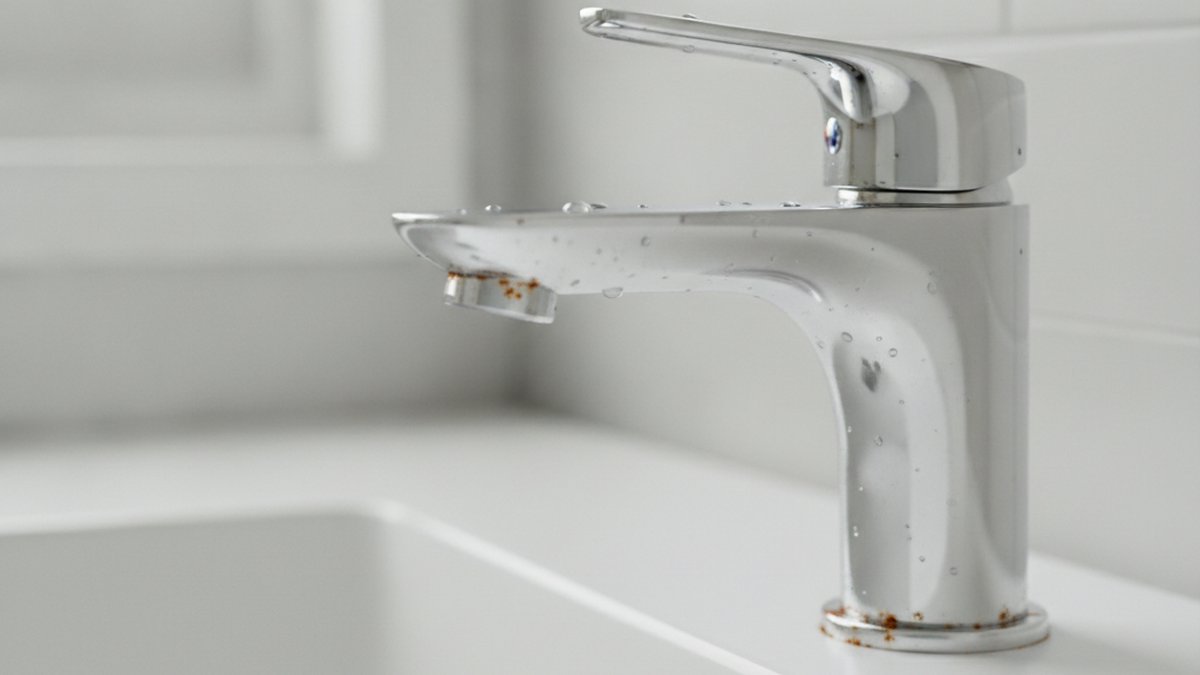
If you’ve got rusty bath taps and you’re staring at those orange-brown streaks wondering whether to scrub them or rip them out, here’s the honest answer: it depends on whether the rust is on the surface or has eaten into the metal. Nine times out of ten it’s surface corrosion or hard-water staining sitting on top of a chrome or brushed-nickel finish that’s started to wear thin — and that cleans up beautifully. But once the base metal is pitting or the tap is dripping, no amount of scrubbing brings it back. This guide walks you through telling the difference, cleaning them properly without wrecking the finish, and knowing exactly when to stop cleaning and start shopping.
Why Are My Bath Taps Rusty in the First Place?
Bath taps go rusty because the protective finish on top of the metal has worn through, letting water and oxygen reach a corrodible layer underneath. It’s almost never the solid brass or stainless core failing — it’s the thin decorative plating on top wearing away, or cheap internal components (steel screws, low-grade zinc-alloy bodies) corroding and bleeding through.
Here’s what’s actually happening in a typical bathroom:
- Chrome plating wears thin. Chrome is only microns thick over brass or zinc alloy. Daily scrubbing, abrasive cleaners, and constant moisture eventually expose the base metal, which then corrodes.
- Hard water leaves iron-rich deposits. If your water is hard or your pipes are old galvanized steel, dissolved iron settles on the tap and oxidizes into rust-colored staining that looks worse than it is.
- Cheap internal parts rust from the inside. Budget taps often use steel screws or a poor zinc-alloy body. These corrode and the rust bleeds out around the base or handle.
- Standing water and poor ventilation. A bathroom that never fully dries out gives corrosion the moisture it needs to keep going.
The reason this matters: if it’s staining or worn plating, you clean it. If it’s the internal metal or the body itself, you’re fighting a losing battle. The material your tap is made of is the biggest predictor — which is exactly why cheaper alloy taps rust years before quality ones. If you’re curious how much the base metal matters, our breakdown of zinc alloy vs stainless steel faucets explains why two taps that look identical in the store can age completely differently.
Can I Actually Clean Rusty Bath Taps, or Am I Wasting My Time?
Yes — if the rust is surface staining or light corrosion on a finish that’s mostly intact, you can clean rusty bath taps and get them looking close to new. The test is simple: run your fingernail over the rusty area. If it’s smooth and the discoloration lifts with cleaner, it’s surface stain. If you feel rough pitting or flaking metal that stays rough after cleaning, the finish is gone and cleaning won’t save it.
The safest, most reliable household fixes, from gentlest to strongest:
- White vinegar (start here). Soak a cloth or paper towel in white vinegar, wrap it around the tap, and leave it 15–30 minutes. The mild acid dissolves rust staining and limescale without scratching. Wipe, rinse with clean water, dry with a microfiber cloth.
- Baking soda paste. Mix baking soda with a little water into a paste, apply, let it sit 10 minutes, and gently scrub with a soft toothbrush or non-scratch sponge. Good for spots vinegar alone won’t shift.
- Lemon juice and salt. The citric acid plus mild abrasive salt tackles stubborn orange stains. Rinse thoroughly afterward — you don’t want acid sitting on the finish.
- Cream of tartar paste. A gentler polish for delicate finishes like brushed nickel or matte black.
Hard rules to protect your finish: Never use steel wool, wire brushes, magic-eraser-style abrasive pads, or bleach on bath taps. They strip what’s left of the plating and turn a cosmetic problem into a permanent one. On brushed or matte finishes, always rub with the grain, not in circles. And dry the tap completely when you’re done — leaving it wet just restarts the process.
How Long Does It Take to Clean Rusty Taps?
Budget 20–40 minutes for a typical set of bath taps, most of which is just letting the vinegar soak do the work. Light staining might lift in 15 minutes; heavy limescale-plus-rust buildup may need two soak-and-scrub rounds. It’s a genuinely easy DIY job — no tools, no plumbing knowledge, no water shutoff required.
Vinegar vs Commercial Rust Remover vs Replacement — Which Should I Choose?
For light surface rust, start with vinegar — it’s cheap, safe, and won’t damage the finish. Move to a commercial rust remover only if household methods fail and the finish is still solid. Replace the tap once the base metal is pitted, the tap leaks, or it keeps rusting back within weeks. Here’s how the three options actually compare:
| Approach | Best for | Cost | Effort / time | Downside |
|---|---|---|---|---|
| White vinegar / baking soda | Surface stain, light rust, limescale | ~$3–5 (household items) | 20–40 min, no tools | Won’t fix pitted or flaking metal |
| Commercial rust remover | Stubborn rust on intact finish | ~$8–15 | 30–60 min, gloves needed | Harsh chemicals; can dull some finishes |
| Replace the tap | Pitted metal, leaks, recurring rust, cheap alloy body | ~$40–200+ tap, plus fitting | 1–2 hrs DIY or plumber | Higher upfront cost |
The math usually favors cleaning first — it’s nearly free and takes half an hour. But if you find yourself cleaning the same taps every few weeks, the rust is coming from inside a corroding body, and you’re pouring effort into a tap that’s structurally done. That’s your signal to replace.
When Should I Just Replace Rusty Bath Taps Instead of Cleaning Them?
Replace rusty bath taps — don’t keep cleaning them — when the rust has gone below the surface or the tap has started to fail functionally. Cleaning fixes appearance; it can’t rebuild a corroded body or reseal a worn cartridge. Here are the clear signals it’s replacement time:
- Pitting or flaking. Rough, cratered metal or plating peeling off in flakes means the finish is destroyed and rust will keep returning.
- It rusts back within weeks. Rust bleeding out from the base or handle joints points to corroding internal parts you can’t reach.
- The tap drips or leaks. Corrosion plus a leak often means the cartridge or valve seat is going too — see our guide on why a tub spout keeps dripping if that’s your situation.
- Rusty or discolored water at the tap. If the water itself runs orange, the problem may be your pipes, not just the tap — but a corroding tap body contributes.
- It’s a cheap zinc-alloy tap. These are designed to a price and simply don’t last. Replacing with a solid-brass or stainless tap ends the cycle.
When you do replace, spend the extra on materials over looks. A solid-brass body or 304-grade stainless steel with a quality PVD (physical vapor deposition) finish resists corrosion for years, whereas chrome-plated zinc alloy is the stuff that rusts fast. If you’re choosing a new finish, a brushed nickel tap mixer hides water spots and light wear far better than polished chrome, which is worth knowing if hard water is part of your problem.
How Do I Stop My New Taps From Going Rusty Again?
Prevent future rust by choosing corrosion-resistant materials, drying taps after use, and cleaning them gently and regularly. Rust needs three things — exposed metal, water, and oxygen — so remove any one of them and you stop the cycle. Practical steps:
- Buy quality materials. Solid brass or 304 stainless with a PVD finish is the single biggest factor. It costs more upfront and saves you the whole rust headache.
- Wipe taps dry after use. A quick swipe with a towel, especially in hard-water areas, prevents mineral and iron deposits from settling and oxidizing.
- Clean with mild soap, not abrasives. Weekly gentle cleaning beats occasional aggressive scrubbing that wears the finish.
- Improve ventilation. An extractor fan or open window that lets the bathroom dry out slows corrosion everywhere, not just on taps.
- Consider a water softener or filter if your water is very hard or iron-rich — it protects taps, showerheads, and pipes alike.
A small habit — the 10-second dry-off after your bath — genuinely adds years to a tap’s life. It’s the cheapest maintenance you’ll ever do.
Does Rusty Tap Water Mean My Taps Are Unsafe?
Surface rust on the outside of a tap isn’t a health hazard — it’s cosmetic. But if the water runs orange or metallic, that usually points to corroding iron pipes or a corroding tap body, and while iron in water isn’t acutely dangerous, it stains fixtures and tastes off. If water quality is a concern in your home, it’s worth understanding what a lead free faucet setup involves, since older corroded fixtures are exactly where water-quality worries start.
Author Note, Brand Credibility & Standards
About the author: This guide was written by the wigafaucet product team, who spend their days testing, installing, and stress-testing bathroom and kitchen fixtures. We’ve cleaned, repaired, and replaced more corroded taps than we can count, and the advice here reflects what actually works in real bathrooms — not lab conditions.
Why trust wigafaucet: wigafaucet designs and sells bath and kitchen fixtures built around solid-brass and 304 stainless steel bodies with corrosion-resistant PVD finishes. Our taps are tested for finish durability and are backed by warranty coverage, and we build to recognized low-lead and finish-adhesion standards (including lead-content limits aligned with NSF/ANSI 61 and finish testing consistent with ASTM salt-spray corrosion methods). That combination — good base metal, good finish, real testing — is exactly what keeps taps from rusting in the first place.
FAQ
Will vinegar damage the chrome finish on my bath taps?
No — white vinegar is safe for chrome when used briefly and rinsed off. It’s a mild acid that dissolves rust staining and limescale without scratching. Just don’t leave it on for hours, and always rinse with clean water and dry afterward. Avoid vinegar on delicate matte-black or antique finishes for long soaks; use cream of tartar paste there instead.
Why do my taps keep going rusty even after I clean them?
Recurring rust means the corrosion is coming from inside — usually a cheap zinc-alloy body or steel internal parts that keep bleeding rust out through the joints. Cleaning only removes the surface symptom. If rust returns within weeks, the tap is structurally corroding and replacing it with a solid-brass or stainless tap is the real fix.
Can I remove rust from taps without harsh chemicals?
Yes. White vinegar, baking soda paste, and lemon juice with salt handle the vast majority of surface rust and staining with zero harsh chemicals. Start with vinegar, step up to baking soda for stubborn spots, and only reach for a commercial rust remover if household methods fail and the finish is still solid.
How much does it cost to replace a rusty bath tap?
The tap itself typically runs $40–$200+ depending on material and finish, with solid-brass and stainless models at the higher end and cheap alloy taps at the low end. DIY fitting takes 1–2 hours with basic tools; a plumber adds labor. Spend on materials over looks — a quality body and PVD finish is what stops you doing this again in three years.
Is surface rust on a tap dangerous to my health?
Surface rust on the outside of a tap is cosmetic, not a health risk. The concern is only if the water itself runs rusty or metallic, which points to corroding pipes or a corroding tap body. Iron in water isn’t acutely harmful but stains fixtures and affects taste — if that’s happening, have your water and pipes checked.
What’s the best tap material to avoid rust altogether?
Solid brass or 304-grade stainless steel with a PVD finish resists corrosion best. Avoid chrome-plated zinc alloy — it’s the material behind most fast-rusting taps. Paying a bit more for good base metal and a durable finish is the single most effective way to never deal with rusty bath taps again.
“`