 Wiga Tap Manufacturer
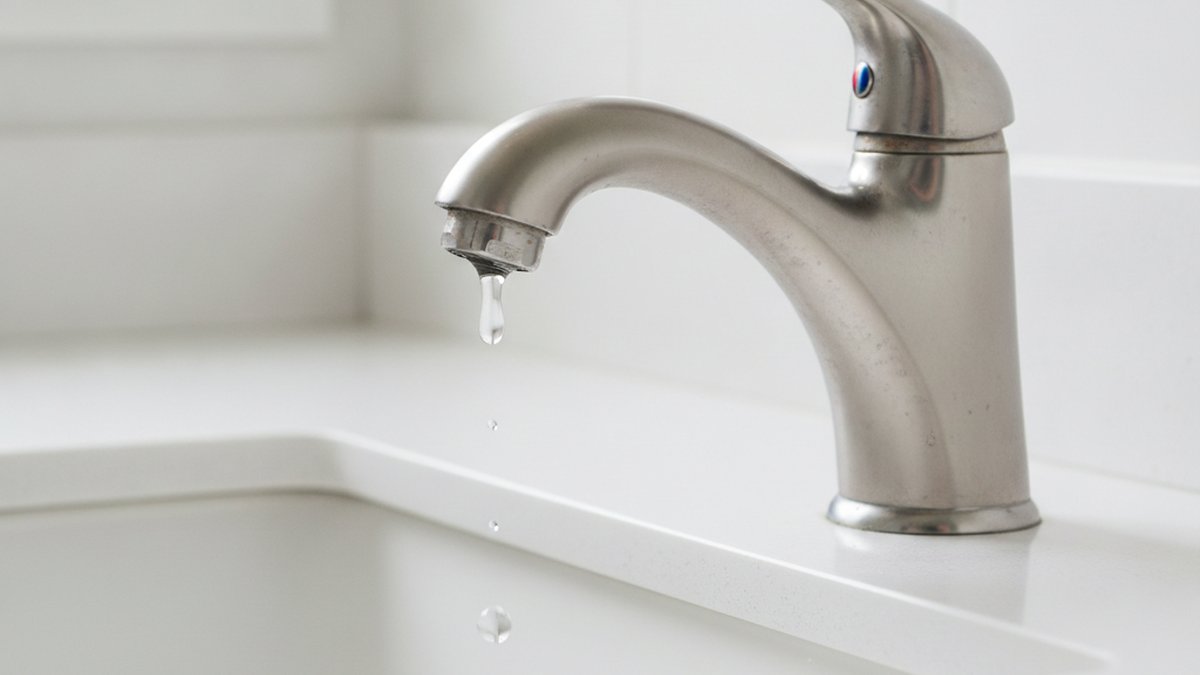
If you searched for a pegasus bathroom faucet cartridge replacement youtube tutorial and ended up more confused than when you started, you’re not alone. Pegasus was a Home Depot house brand (made by Foremost / later folded into the Glacier Bay and Pegasus lines), so the faucet on your sink might be one of three or four different internal designs — and a random video showing someone else’s handle popping off in ten seconds doesn’t help when your handle won’t budge. This guide walks you through the exact same steps the good videos show, plus the details they usually cut out, so you fix the drip once instead of buying the wrong cartridge twice.
What does a bad cartridge actually cause — and is that really my problem?
A failing cartridge causes a drip that won’t stop, a handle that’s suddenly hard to turn, water that won’t get hot or cold, or a handle that spins loose without controlling flow. The cartridge is the plastic-and-brass valve inside the faucet body that mixes hot and cold and shuts the water off; when its internal seals and O-rings wear out, water sneaks past them. Roughly 8 out of 10 “my faucet is dripping” problems on a single-handle Pegasus are the cartridge, not the whole faucet.
Here’s the quick self-check before you touch anything: if the drip comes from the spout and gets worse over weeks, that’s almost always the cartridge. If water pools around the base of the handle or under the sink, you may instead have a bad O-ring or a loose connection — a different fix. And if the handle is stiff but not dripping, the cartridge is starting to seize and replacing it now saves you a snapped handle later. For a leak specifically at the flexible supply line rather than the valve, that’s a separate repair covered in our guide on why a faucet leaks from the flexible hose and how to fix it.
How do I know which Pegasus cartridge to buy before I start?
Identify the cartridge by pulling the old one and matching it — never buy first. Pegasus/Glacier Bay used several cartridges that look almost identical but are not interchangeable: the splines (the grooved stem that the handle grips), the length, and the way it locks in (threaded nut vs. brass clip) all vary. A cartridge that’s 2 mm too long or has 20 splines instead of 16 simply will not seat, and you’ll have water off in the house while you drive back to the store.
The most reliable path is to remove the old cartridge first (steps below), lay it on a paper towel, and photograph it next to a ruler. Then match on three things:
- Overall length from the base to the top of the stem, in millimeters.
- Spline count — the number of teeth on the stem where the handle attaches (commonly 16, 20, or a flat-sided “D” stem).
- Retention style — a threaded retaining nut, a horizontal brass pin/clip, or a screw-down bonnet.
If your faucet still has a model number stamped under the spout or on the original paperwork, search that plus “cartridge.” Many Pegasus single-handle lavatory faucets take a ceramic-disc cartridge that’s cross-referenced by Danco and other aftermarket brands, so you’re rarely stuck even though Pegasus itself is discontinued.
Pegasus vs. Glacier Bay vs. Moen cartridges — what’s the difference?
They’re different valve families and mostly not cross-compatible, which is exactly why a generic YouTube video can lead you astray. Here’s how the common single-handle bathroom cartridges compare.
| Brand / line | Typical cartridge type | Retention | Interchangeable with Pegasus? | Approx. part cost |
|---|---|---|---|---|
| Pegasus (Foremost) | Ceramic disc, single-handle | Threaded nut or brass pin | — | $12–$30 |
| Glacier Bay | Ceramic disc (shared tooling) | Threaded nut or clip | Sometimes — verify length & splines | $10–$25 |
| Moen 1225 / 1255 | Cylinder cartridge | Brass retaining clip | No | $20–$45 |
| Delta | Ball or ceramic stem | Bonnet nut / cap | No | $15–$40 |
| Danco aftermarket | Cross-reference ceramic disc | Matches original | Often — buy by part match | $8–$20 |
The takeaway: a Moen removal video is genuinely useful for Moen and useless for Pegasus, because Moen uses a horizontal brass clip you pull with pliers while most Pegasus valves thread out. Match the mechanism, not just the brand name in the video title.
What tools and parts do I need to follow along at the sink?
You need five cheap tools and one correct cartridge — no plumber’s van required. Here’s the full kit so you’re not stopping mid-job with the water shut off:
- Adjustable wrench or channel-lock pliers for the retaining nut.
- Phillips and/or hex (Allen) key — the handle set screw is usually one or the other.
- A flat-head screwdriver to pry the decorative handle cap.
- Needle-nose pliers to grip and pull the cartridge (or a cartridge-puller for stubborn ones).
- Plumber’s grease (silicone) — this is the step the videos skip. It protects the new O-rings.
- White vinegar and an old toothbrush to clean mineral scale out of the valve body.
- The exact-match replacement cartridge.
Total spend if you own basic tools: about $15–$35 for the cartridge and grease. Compare that to a $150–$250 plumber call-out for what is genuinely a 30-minute job.
What are the exact steps the best YouTube videos show (and the two they skip)?
Here’s the full sequence, start to finish. Follow it alongside any decent video and you’ll be covered even if the video glosses over a step.
- Shut off the water. Turn both angle-stop valves under the sink clockwise until snug. Open the faucet to release pressure and confirm the water is truly off. Drop a rag in the drain so you don’t lose the tiny set screw.
- Remove the handle. Pry off the decorative cap (often marked hot/cold) with a flat screwdriver, then remove the screw underneath. Pull the handle straight up. If it’s stuck from limescale, wiggle gently — don’t crank it sideways or you can crack a zinc handle.
- Expose the cartridge. You’ll see either a threaded retaining nut, a dome-shaped bonnet, or a horizontal brass clip. Unscrew the nut with your wrench (counter-clockwise) or slide out the clip with needle-nose pliers.
- Pull the old cartridge. Grip the stem with pliers and pull straight up with steady force. Twisting can shear it. If it’s seized, a cartridge-puller tool or gentle penetrating action with vinegar helps.
- Clean the valve body — the skipped step #1. Scrub the inside of the housing with vinegar and a toothbrush to remove mineral scale. New seals won’t seat properly against a crusty bore, and this is why some people replace a cartridge and still get a slow weep.
- Grease the new cartridge — the skipped step #2. Wipe a thin film of silicone plumber’s grease on the O-rings before inserting. It prevents the seals from tearing on install and keeps the handle smooth for years.
- Seat the new cartridge. Line up the alignment tab or flat and push it in fully. Orientation matters — install it 180° off and your hot and cold will be reversed.
- Reassemble. Re-thread the nut or reinsert the clip, put the handle and screw back, and press the cap on.
- Turn water back on slowly and test. Open both valves gradually, run the faucet, and check for drips at the spout and base.
That’s genuinely it. The mechanics of a Pegasus swap are no harder than a bathroom faucet knob job — if your handle itself is also cracked or spinning, our walkthrough on handling a bathroom faucet knob replacement without calling a plumber pairs nicely with this repair. And if after the swap your faucet handle rotates a full 360° with no stop, that’s a separate design quirk we cover in what it means when a bathroom faucet turns all the way around.
Why is my faucet still dripping after I replaced the cartridge?
Nine times out of ten, a post-replacement drip means one of three things: you installed the wrong cartridge, you didn’t clean the valve body, or the seat/springs underneath are worn. Work through them in order:
- Wrong or “close enough” cartridge. If the stem seated but feels loose or the drip is unchanged, the length or seal diameter is off. This is the single most common failure from following a mismatched YouTube video.
- Scaled valve body. If you skipped the vinegar scrub, mineral buildup holds the new seal open microscopically. Take it apart and clean it.
- Worn rubber seats and springs. Some Pegasus valves have tiny rubber seats and springs at the base of the bore. If those are flattened, swap them too — they cost a couple of dollars.
- Debris on the new seal. A single grain of grit under an O-ring causes a weep. Re-seat cleanly.
If the problem is weak flow rather than a drip after the repair, the cartridge may be fine and the real culprit is the aerator or supply pressure — see our diagnostics on what causes faucet low hot water pressure and how to fix it fast.
Should I just replace the whole faucet instead of the cartridge?
Replace the cartridge if the faucet body and finish are in good shape; replace the whole faucet if it’s badly corroded, the brand is discontinued with no matching cartridge, or you’ve already replaced the cartridge once in the past year or two. Because Pegasus is a discontinued brand, sourcing parts can occasionally be a hunt — if you strike out finding a match, a modern single-hole faucet is an easy upgrade and modern ceramic-disc valves last far longer than early-2000s ones. Here’s the honest decision math:
| Situation | Best move | Rough cost |
|---|---|---|
| Body solid, cartridge available | Replace cartridge | $15–$35 |
| Cartridge discontinued, body fine | Try Danco cross-reference; else new faucet | $10–$120 |
| Corroded body / cracked base | Replace whole faucet | $60–$200+ |
| Second failure in ~1 year | Replace whole faucet | $60–$200+ |
If you do go the new-faucet route, a straightforward single-hole model is the least-hassle swap for most vanities — our overview of a chrome bathroom faucet one-hole setup covers what fits and how to choose.
FAQ
Are Pegasus and Glacier Bay cartridges the same?
Sometimes, but never assume it. Both were Home Depot house brands built on shared tooling, so certain ceramic-disc cartridges physically interchange — but many don’t because of small differences in length, spline count, or retention. Always pull your old cartridge and match it dimensionally before buying, regardless of the brand name printed on the box.
Can I really do a Pegasus bathroom faucet cartridge replacement by just following a YouTube video?
Yes, for most single-handle models it’s a genuine 30–45 minute DIY job. The catch is that a generic video may show a different internal design than yours. Use the video for the mechanical steps but rely on matching your actual cartridge — length, splines, and retention style — so you install the right part rather than a look-alike.
How long does a faucet cartridge last?
A good ceramic-disc cartridge typically lasts 10–15 years; cheaper or heavily used ones may fail in 5–7. Hard water shortens that lifespan because mineral scale chews up the seals, which is why cleaning the valve body during replacement matters so much.
Do I need plumber’s grease, or can I skip it?
Use it — it’s a $6 tube that prevents a redo. Silicone plumber’s grease stops the new O-rings from tearing as they slide into the valve body and keeps the handle turning smoothly. Skipping it is the quiet reason some cartridge swaps start weeping or stiffen up within months. Never use petroleum grease, which degrades rubber seals.
Why is my hot and cold reversed after replacing the cartridge?
The cartridge went in rotated 180°. Many cartridges have an alignment tab or flat that must face a specific direction. Shut the water off again, pull the cartridge, rotate it half a turn to the correct orientation, and reinstall — no new part needed.
Where do I find a discontinued Pegasus cartridge?
Start with the model number under the spout, then check Danco and other aftermarket cross-reference charts, Home Depot’s Glacier Bay parts, and plumbing-supply marketplaces. Bring or photograph the old cartridge. If nothing matches after a real search, that’s the signal it’s time to consider a new faucet rather than chasing a rare part.
A note on trust, testing, and warranty
Author: This guide was written by the wigafaucet.com fixtures team, drawing on hands-on cartridge swaps across single-handle lavatory faucets from major and house brands, including discontinued Pegasus/Glacier Bay units. About wigafaucet: Wigafaucet designs and sells faucets, shower heads, and bathroom fixtures built around modern ceramic-disc valves, and we publish repair guides for fixtures we don’t even sell because a well-maintained bathroom is the whole point. Standards & warranty: Look for cartridges and faucets that meet North American low-lead standards (NSF/ANSI 372 / “lead-free”) and carry a written warranty — reputable ceramic-disc cartridges are commonly backed for years, and a brand that stands behind the valve is the brand worth buying. When in doubt, if the water won’t shut off, the body is cracked, or you’re on a shared/older supply line, call a licensed plumber — this guide is for straightforward DIY cartridge swaps.