 Wiga Tap Manufacturer
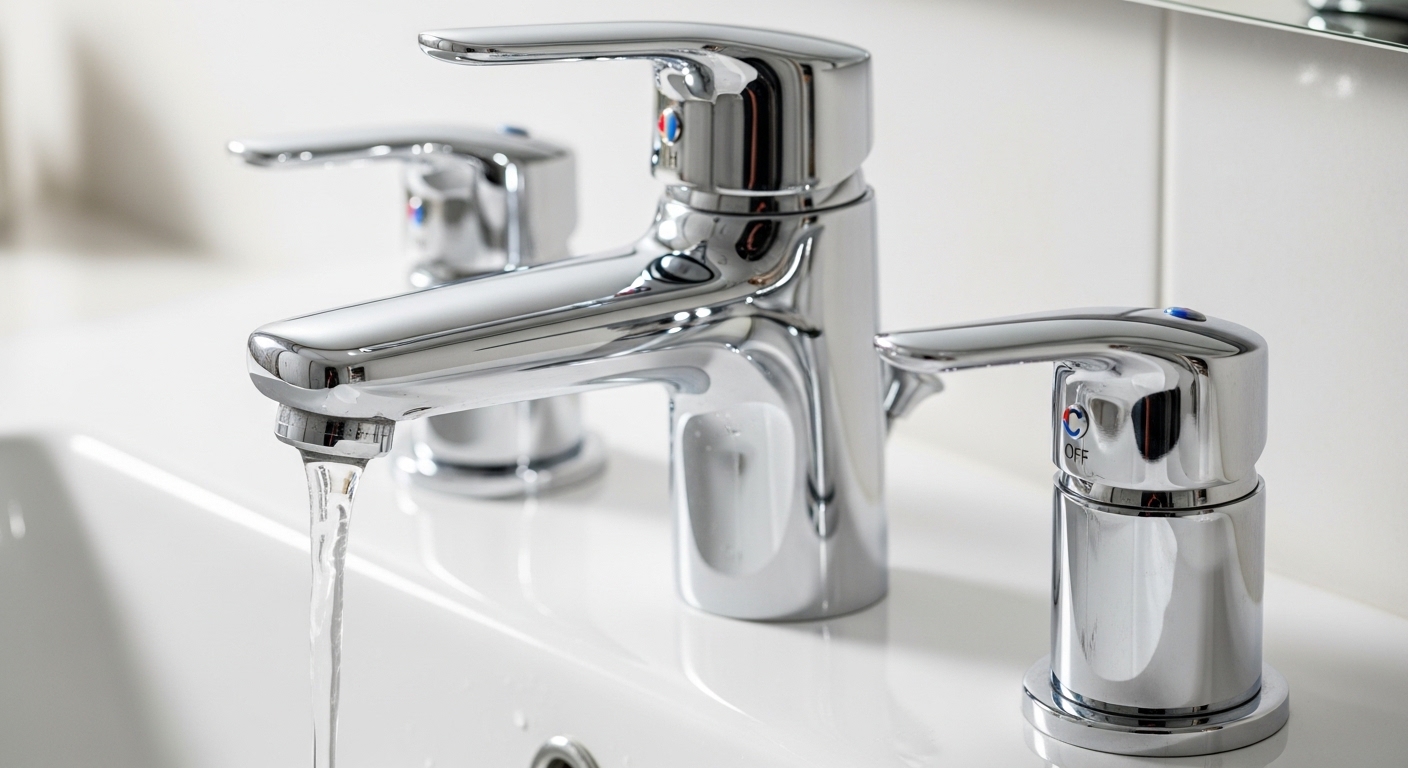
If you’re dealing with faucet low hot water pressure — the hot side barely trickles while the cold side blasts out fine — the good news is that this is one of the most fixable plumbing problems in the house, and most of the time you won’t need a plumber. The trick is figuring out where the restriction lives: at the faucet itself, at the shutoff valve, in the supply line, or back at the water heater. This guide walks you through the exact diagnosis order the pros use, so you fix the real cause instead of swapping parts randomly.
Hot water almost always loses pressure before cold water does, and that’s not a coincidence. Hot water dissolves and then deposits minerals (calcium and magnesium scale) far more aggressively than cold water, so the hot side of your plumbing clogs first. Understanding that one fact makes the whole diagnosis click into place.
Why is my hot water pressure low but cold water is fine?
If cold runs strong and only hot is weak, the problem is on the hot-water path — not your municipal supply or well pressure. That single observation eliminates half of all possible causes immediately. Your incoming water pressure is clearly fine (the cold proves it), so the restriction has to be somewhere the hot water travels alone.
There are only a handful of places that path can choke:
- The aerator — the little screen at the tip of the spout. Scale and rubber debris collect here first, and on a single-handle faucet a partly clogged aerator can look like a “hot only” problem because of how water mixes inside.
- The hot-side angle stop (shutoff valve) under the sink — often only partly open, or crudded up internally.
- The hot supply line / braided hose — these have a small rubber washer at each end that can swell, delaminate, and act like a flapper valve on the hot side.
- The cartridge or mixing valve inside the faucet — a scaled or worn cartridge restricts the hot inlet.
- The water heater — sediment buildup, a failing dip tube, or a half-closed heater shutoff valve chokes hot water to the whole house.
The rule of thumb: one faucet weak = local problem (aerator, valve, supply line, cartridge). Every hot tap in the house weak = system problem (water heater or main hot line). Confirm which one you have before you touch a wrench, and you’ll save yourself an hour.
How do I fix low hot water pressure at just one faucet?
Start with the aerator, then the shutoff valve, then the supply line — in that order, because that’s cheapest-to-hardest and most-likely-to-least-likely. Most single-faucet cases are solved at step one in under ten minutes with no parts.
- Clean the aerator. Unscrew it by hand or with tape-wrapped pliers (turn counterclockwise as you face up into the spout). Soak it in white vinegar for 20–30 minutes to dissolve scale, brush the screen, rinse, and reinstall. Run the faucet with the aerator off first — if flow jumps, the aerator was your culprit.
- Check the hot shutoff valve. Under the sink, the hot supply usually connects to the left-side angle stop. Make sure it’s turned fully counterclockwise (open). People bump these half-closed all the time. Old multi-turn stops can also silt up internally — if it feels gritty or won’t fully open, plan to replace it.
- Test and flush the hot supply line. Turn off the hot stop, disconnect the braided hose from the faucet, aim it into a bucket, and briefly open the stop. Strong flow means the line and valve are clear and the blockage is upstream in the faucet. Weak flow means the hose washer or valve is the problem — replace the hose (they’re a few dollars).
- Suspect the cartridge. If aerator, valve, and line all flow fine but the faucet still runs weak on hot, the internal cartridge is scaled or worn. On most single-handle faucets you’ll pull the handle, remove a retaining clip or nut, and swap the cartridge.
A quick reality check first: a slow drip or handle leak often travels with a pressure problem because both point back to the same worn cartridge. If your handle also drips or feels stiff, our guide to the single handle faucet cartridge walks through identifying and replacing the exact part. And if you notice weak flow creeping into your kitchen tap too, the same diagnosis logic applies — see why there’s low flow out of your kitchen faucet.
Why does only my hot water have low pressure at every faucet in the house?
If every hot tap in the house is weak, the restriction is at or near the water heater — most commonly a partly closed heater shutoff valve, sediment buildup in the tank, or a broken dip tube. Cold pressure staying strong everywhere tells you the main supply is fine and the fault is on the hot distribution side.
Here’s what to check, easiest first:
- The cold-water inlet valve on top of the water heater. This valve feeds the tank. If it was recently serviced and left half-open, every hot tap loses pressure at once. Open it fully.
- Sediment in the tank. Years of mineral sediment settle at the bottom of a tank heater and can partially block the outlet. Draining and flushing the tank (with the power/gas off) often restores flow. This is routine maintenance most manufacturers recommend annually.
- A broken or crumbling dip tube. On some older heaters the plastic dip tube degrades and its fragments migrate into faucet aerators and cartridges — you’ll find white or bluish plastic bits when you clean them. If you’re pulling plastic shards out of multiple aerators, that’s your smoking gun.
- Tankless heater scaling. Tankless units are especially sensitive to hard water; a scaled heat exchanger throttles hot flow. These need periodic descaling per the manufacturer’s schedule.
One more whole-house culprit worth naming: a failing pressure-reducing valve (PRV) where the main line enters your home. When a PRV fails it usually drops pressure on both hot and cold, but because hot lines are often already partly scaled, the hot side feels the pinch first and hardest. If your overall pressure has slowly declined over months, have the PRV tested.
What’s the fastest way to tell if it’s the aerator, the valve, or the water heater?
Do the “aerator-off” test and the “one vs. all” test — together they isolate the cause in about five minutes. These two checks are exactly how a plumber narrows it down before quoting you anything.
Use this decision table:
| What you observe | Most likely cause | First fix to try | Typical cost |
|---|---|---|---|
| Only one faucet weak on hot; flow jumps with aerator removed | Clogged aerator | Soak in vinegar / replace aerator | $0–$8 |
| One faucet weak; aerator clean; supply hose flows weak into bucket | Bad supply hose or angle stop | Replace braided hose / shutoff valve | $5–$25 |
| One faucet weak; aerator, valve, hose all fine | Scaled or worn cartridge | Replace cartridge | $15–$45 |
| All hot taps weak; cold strong everywhere | Water heater sediment / valve / dip tube | Open heater valve, flush tank | $0–$150 |
| Hot and cold both slowly dropped over months | Failing pressure-reducing valve | Test/replace PRV (plumber) | $150–$400 |
The “aerator-off” test is the single most useful thing on this list: unscrew the aerator, run hot, and watch. Big improvement = the aerator or something downstream in the spout tip was the block. No improvement = the restriction is upstream (valve, line, cartridge, or heater). If you’re unsure which aerator size or thread you have when it’s time to replace it, a faucet aerator gauge tells you the exact size in seconds so you don’t buy the wrong one.
Why does my Moen (or Delta or Kohler) faucet lose hot pressure specifically?
Brand-specific low hot pressure almost always traces to a scaled cartridge, because each major brand uses a proprietary ceramic or balancing cartridge that clogs on the hot side first. The fix is the same idea across brands — clean or replace the cartridge — but the exact part number differs.
Moen faucets use a distinctive 1200/1225-style cartridge that’s a very common cause of one-sided pressure loss; we cover the full walkthrough in our guide to fixing a Moen bathroom faucet with low water pressure. Delta and Kohler use their own designs, but the diagnostic path is identical: rule out the aerator and supply first, then pull the cartridge, inspect it for scale and cracked seals, soak it in vinegar or swap it for the correct replacement. Always match the exact model — a wrong cartridge is the #1 reason a “fixed” faucet still leaks or runs weak.
A note on pressure-balancing shower and tub valves: these have a spool inside that shifts to keep temperature steady if someone flushes a toilet. When that spool scales up, it can strangle the hot side even when everything else is clean. If your shower is the weak spot, the pressure-balance cartridge is a prime suspect.
How do I prevent low hot water pressure from coming back?
Prevention comes down to controlling mineral scale — the root cause behind nearly every hot-side clog — plus a few minutes of annual maintenance. If you fix the symptom but ignore the hard water, you’ll be back at the aerator in a year.
- Clean aerators twice a year in hard-water areas. A five-minute vinegar soak prevents 90% of repeat clogs.
- Flush your water heater annually. Draining a few gallons from the tank drain valve clears sediment before it blocks the outlet.
- Consider a whole-house water softener or a point-of-use filter if your water is genuinely hard (over ~7 grains per gallon). Softer water dramatically slows scale buildup everywhere. Our overview of the right tap water filter for your faucet can help you decide what’s worth it.
- Replace cheap braided supply hoses proactively every 5–8 years. The internal rubber washers degrade and are a silent, common cause of one-sided pressure loss.
- Descale tankless heaters on schedule — usually every 12 months, more often in hard-water regions, per the manufacturer’s instructions.
If your fixture is more than 15–20 years old and you’re fighting recurring clogs, a modern faucet with a self-cleaning or easily accessible aerator and a quality ceramic-disc cartridge is often the smarter long-term move than another repair. Newer WaterSense-labeled models also hold steady pressure at lower flow rates, so they feel strong even on a modest supply.
When should you call a plumber for low hot water pressure?
Call a pro when the whole house is affected, when you suspect the pressure-reducing valve or a hidden pipe leak, or when the fix requires soldering or opening the water heater beyond a basic flush. Everything upstream of the shutoff valves is fair game for a licensed plumber; everything downstream you can usually handle yourself.
Specific red flags that mean stop and call someone:
- Hot pressure dropped suddenly across every fixture and flushing the heater didn’t help.
- You see rusty or discolored hot water along with the pressure drop (possible corroding tank or pipe).
- You hear water running inside walls or see damp spots — a hidden hot-line leak steals pressure and causes damage.
- The pressure-reducing valve is the suspect — these are on the main line and mistakes affect the whole house.
For context on what professional help runs, our breakdown of how much a plumber charges to install a bathroom faucet in 2026 gives realistic numbers so you know whether a quote is fair.
FAQ
Can a clogged aerator really cause low hot water pressure on its own?
Yes — very often. The aerator’s fine mesh screen catches mineral scale and rubber debris, and because hot water carries more dissolved minerals, the screen clogs on the hot side first. On single-handle faucets, a partly blocked aerator can even make it look like a “hot only” problem because of how the hot and cold streams mix before exiting. Removing and vinegar-soaking the aerator is the first thing you should try, and it fixes a large share of cases for free.
Why would only the hot water be affected and not the cold?
Because hot water and cold water travel separate paths for most of their journey, and heat accelerates mineral scaling. The hot side runs through the water heater and its own supply lines, both of which accumulate scale and sediment faster than cold plumbing. So restrictions — clogged lines, a scaled cartridge, a sediment-filled heater — show up on the hot side long before the cold side notices.
Could my water heater be the reason for low hot water pressure?
If every hot faucet in the house is weak while cold stays strong, the water heater is a leading suspect. Check that the cold-inlet valve on top of the tank is fully open, then flush the tank to clear sediment. A crumbling dip tube (you’ll find plastic bits in your aerators) or a scaled tankless heat exchanger can also throttle hot flow to the whole house. If a flush doesn’t help, have the heater inspected.
How long does it take to fix faucet low hot water pressure myself?
An aerator cleaning takes about 10 minutes. Checking and reopening a shutoff valve takes 2 minutes. Replacing a braided supply hose runs 15–20 minutes. A cartridge swap is usually 30–45 minutes for a first-timer. Flushing a water heater takes about 30–60 minutes including drain time. Most homeowners resolve single-faucet cases in under half an hour with basic tools.
Will a water softener fix and prevent low hot water pressure?
A softener won’t instantly restore pressure that’s already blocked — you still need to clean or replace the clogged parts. But it’s one of the best long-term preventions, because it removes the hardness minerals that cause scale in the first place. If your water is above roughly 7 grains per gallon and you keep fighting repeat clogs, a softener (or at least point-of-use filtration) is worth the investment.
Is low hot water pressure a sign of a bigger plumbing problem?
Usually not — it’s most often a localized scale or valve issue. But it can occasionally flag something larger: a failing pressure-reducing valve, a corroding water heater, or a hidden hot-line leak. The warning signs are a sudden whole-house drop, discolored water, or the sound of running water inside walls. If you see any of those, treat it as a bigger issue and bring in a licensed plumber.
Author note: This guide was written by the wigafaucet fixture team, drawing on hands-on repair and installation experience across Moen, Delta, Kohler, and our own faucet lines. At wigafaucet.com we design, pressure-test, and warranty our faucets to standard U.S. plumbing specs (including WaterSense flow standards and ASME/ANSI ceramic-disc cartridge durability testing), and our cartridges are cycle-tested for long-term reliability. When we recommend a fix, it’s the same sequence our support techs use every day. Always follow your fixture and water-heater manufacturer’s instructions, and shut off the water supply before any repair.