 Wiga Tap Manufacturer
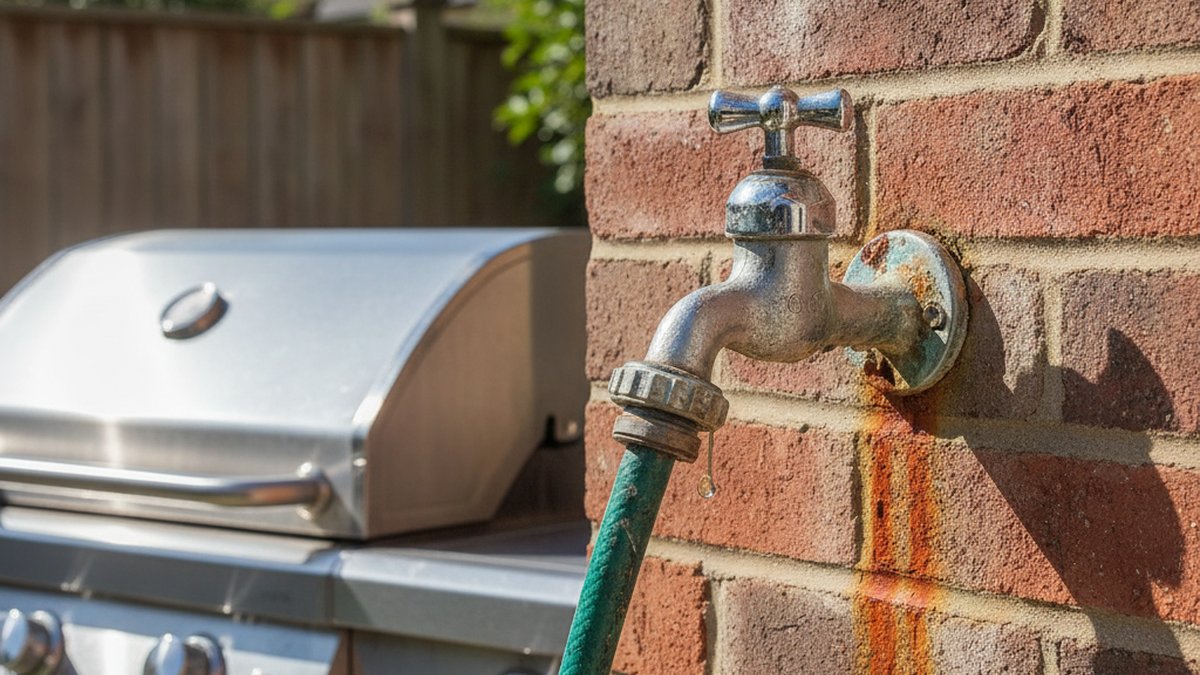
If you’ve got a rusty tap barbecue station — that little outdoor faucet next to the grill you use to rinse tongs, fill a bucket, or wash your hands after handling raw meat — you already know the problem: it turns orange, it stains the paving, and one day the handle gets stiff or the spout starts weeping. The good news is that a rusty outdoor tap is one of the most fixable fixtures in your whole yard. In this guide I’ll walk you through exactly why it rusts, how to tell “clean it” from “replace it,” and how to do both without a plumber.
Why does the tap next to my barbecue rust so fast when my indoor taps don’t?
Your barbecue tap rusts fast because it sits in the worst possible spot for metal: outdoors, splashed with water, coated in greasy smoke, and usually made from the cheapest material a builder could find. Three things gang up on it.
First, the material. Most bargain outdoor taps (and a shocking number of “chrome” garden bibcocks) are chrome-plated zinc alloy or plated mild steel. The plating is only microns thick. One chip — from a dropped spanner, a hose fitting, or just freeze-thaw stress — and water reaches the base metal underneath. Zinc corrodes into a chalky white bloom; steel corrodes into classic orange rust. Once it starts under the plating, it spreads sideways and lifts the chrome off in flakes.
Second, the barbecue itself. Grill smoke carries fine grease and, if you cook seafood or use certain rubs, a surprising amount of salt. Grease traps moisture against the metal, and chloride (salt) dramatically accelerates rust and pitting. That’s why a tap two feet from a grill looks worse after one summer than a plain garden tap across the yard.
Third, standing water and freeze-thaw. Outdoor taps that aren’t drained before winter hold water in the body. When it freezes it expands, cracks the plating and sometimes the casting, and every crack becomes a new rust site. If you want the deeper materials science on why one metal survives and another crumbles, our breakdown of zinc alloy vs stainless steel faucets explains exactly which alloys hold up outdoors and which don’t.
Should I clean my rusty barbecue tap or just replace it?
Clean it if the rust is only on the surface and the tap still shuts off fully; replace it if the body is pitted, cracked, leaking from the casting, or so seized you can’t turn the handle. Here’s the honest rule of thumb I give people: rust you can wipe, scrub, or dissolve is cosmetic and fixable in place. Rust that has eaten into the metal — little craters, weeping seams, a spongy feel — means the wall of the tap is compromised, and no amount of polishing brings that back.
Use this quick decision table before you buy anything:
| What you see | What it means | Fix | Rough cost |
|---|---|---|---|
| Orange surface film, plating still smooth | Cosmetic surface rust | Clean & seal | $5–$10 |
| Flaking chrome, white chalky spots | Plating failure on zinc | Clean now, plan to replace | $10 now |
| Stiff handle + drip from spout | Worn washer or cartridge | Replace internal parts | $4–$15 |
| Pitted, cracked, or weeping body | Structural corrosion | Replace the whole tap | $18–$45 |
| Rust at the wall/thread joint only | Corroded connection | Reseal or re-thread | $3–$12 |
If your tap also drips or the handle grinds, the fix overlaps heavily with any other worn faucet — the same washer-and-seat logic we use in our step-by-step kitchen faucet leak repair guide applies to an outdoor bibcock too, just with tougher, weather-exposed parts.
How do I clean surface rust off an outdoor barbecue tap?
To clean surface rust, soak the affected metal in white vinegar for 30–60 minutes, scrub with a brass or nylon brush, rinse, dry completely, and seal with a thin film of petroleum jelly or car wax. That’s the whole method — cheap, safe on chrome, and it won’t scratch like sandpaper will.
Here’s the process step by step:
- Shut off and drain. Close the isolation valve feeding the tap (or the main), then open the tap to release pressure and let it drain. You’re not opening the plumbing, but a dry tap is easier to work on.
- Soak the rust. Wrap the rusty section in a vinegar-soaked cloth, or hold a small container of white vinegar against it. For heavy rust, a paste of vinegar and baking soda clings better to vertical surfaces. Give it 30–60 minutes.
- Scrub, don’t gouge. Use a brass-bristle brush, a nylon pad, or crumpled aluminum foil dipped in vinegar. On chrome, foil is magic — it removes rust without scratching the plating. Avoid steel wool and sandpaper; they leave micro-scratches that rust faster next time.
- Neutralize and rinse. Wipe with clean water so no acid lingers in crevices, then dry thoroughly with a towel. Trapped moisture restarts the whole cycle.
- Seal it. Rub a thin layer of petroleum jelly, mineral oil, or automotive paste wax over the cleaned metal. This barrier keeps grill grease and rain off the surface. Reapply at the start of each barbecue season.
A quick word on grease: because this is a barbecue tap, degrease it first with dish soap and warm water. Vinegar can’t reach rust it can’t touch, and cooking grease forms a waterproof film. Ten seconds with a soapy sponge makes the rust treatment twice as effective. The same gentle-cleaner principle keeps premium finishes alive indoors too — see how we handle delicate coatings in our guide to cleaning brushed gold faucets without wrecking the finish.
My rusty barbecue tap is stiff and drips — how do I fix that, not just the looks?
A stiff, dripping outdoor tap almost always needs a new washer, O-ring, or cartridge — the rust on the outside and the leak on the inside are two separate problems. Cleaning the chrome makes it pretty; replacing the internal seal makes it actually work. Do both in one session.
Most traditional outdoor bibcocks are “compression” taps: turning the handle drives a spindle down onto a rubber washer that seats against a brass ring. When that washer hardens or tears, the tap drips no matter how hard you crank it — and cranking harder just chews up the washer and the seat faster. Here’s how to renew it:
- Isolate the water at the valve or main, then open the tap fully to drain.
- Undo the headgear. Use an adjustable spanner on the large hex nut below the handle. If it’s rusted solid, penetrating oil and patience beat brute force — over-torquing can snap a corroded casting. Our guide on removing an old faucet nut that’s rusted and stuck covers the exact tricks (heat, penetrant, the right grip) that save you from a broken tap.
- Replace the washer and O-ring. Pop off the old rubber washer at the bottom of the spindle, take it to the hardware store to match size (½” is common on garden taps), and fit the new one. Replace the spindle O-ring while you’re in there.
- Dress the seat. If the brass seat the washer presses on is pitted, a cheap reseating tool grinds it smooth in a minute. A rough seat tears a new washer within weeks.
- Grease and reassemble. A dab of silicone plumber’s grease on the thread and O-ring makes the handle turn smoothly and keeps water from creeping into the threads and rusting them again.
If your tap is a modern quarter-turn ceramic-disc type instead, there’s no washer — you swap the whole ceramic cartridge, which is a two-minute job once the headgear is out.
What should I replace a rusted-out barbecue tap with so it never happens again?
Replace it with a solid brass or 316 stainless steel outdoor bibcock — ideally one that’s DZR (dezincification-resistant) brass — and you’ll likely never fight rust at that spot again. The material is the whole game outdoors. Skip anything vaguely labeled “metal,” “alloy,” or generic “chrome” with no base-metal spec; that’s plated zinc waiting to bloom.
Here’s how the common outdoor-tap materials actually compare where a barbecue lives — wet, greasy, and occasionally salty:
| Material | Rust resistance outdoors | Typical lifespan by a BBQ | Notes |
|---|---|---|---|
| Chrome-plated zinc | Poor | 1–3 years | Cheapest; plating chips then chalks white |
| Chrome-plated brass | Good | 8–15 years | Even if plating chips, brass underneath won’t rust |
| DZR / lead-free brass | Very good | 15–25 years | Resists dezincification in hard/salty water |
| 316 stainless steel | Excellent | 20+ years | Best for coastal/salty-smoke areas; pricier |
| Plated mild steel | Very poor | Under 2 years | Avoid outdoors entirely |
My honest recommendation for a barbecue tap: chrome-plated brass is the sweet spot on price and durability for most backyards, and 316 stainless is worth the upgrade if you live near the coast or cook a lot of salted/smoked food. Add a small quarter-turn isolation valve on the supply line so you can shut the tap off and drain it before winter — freeze damage is the second-biggest killer after material choice.
To swap the tap: shut off the water, unscrew the old tap from its threaded fitting (penetrating oil helps if the joint is corroded), clean the male thread on the pipe, wrap it with 4–6 turns of PTFE thread-seal tape in the direction of tightening, and thread the new tap on hand-tight plus a turn or two with a spanner until the outlet points down. Don’t overtighten — you want a seal, not a cracked fitting. Turn the water back on and check the joint for weeping. If you’re buying a matching finish for a visible outdoor kitchen, our overview of the brushed nickel tap mixer range shows finishes that hold up well against the elements and grease.
How do I keep any outdoor tap from rusting near a grill?
Keep an outdoor tap rust-free by choosing brass or stainless, degreasing it monthly during grilling season, drying and waxing it, and draining it before the first freeze. Rust is a maintenance problem as much as a material one — a $6 tub of wax and five minutes a month beats a $40 replacement every other year.
A simple seasonal routine:
- Monthly (grilling season): wipe grease off with soapy water, dry, and buff a little wax or petroleum jelly onto exposed metal.
- Keep it away from smoke: if you can, position the grill so prevailing wind carries greasy smoke away from the tap, or fit a small splash shield.
- Fix drips immediately: a constant trickle keeps the metal wet 24/7, which is exactly what rust needs.
- Winterize: isolate, drain, and if the tap has a drain screw, open it. For a comprehensive look at diagnosing and reviving corroded taps of every kind, our companion guide on fixing rusty bath taps — clean or replace uses the same clean-vs-replace framework applied indoors.
A note on trust, testing, and standards
Author note: This guide was written by the wigafaucet product and installation team, who spend their days testing tap cartridges, valves, and finishes and fielding real repair questions from homeowners. I’ve replaced more corroded outdoor bibcocks than I can count, and the pattern is always the same — cheap zinc fails, solid brass lasts.
Why trust wigafaucet: we design and sell faucets and fixtures full-time at wigafaucet.com, and our brass and stainless outdoor and indoor taps are built to recognized plumbing standards for lead content and pressure. Look for fixtures that meet NSF/ANSI 61 and 372 (low-lead) standards and carry a manufacturer warranty — our outdoor-rated brass taps ship with a multi-year finish-and-function warranty, and every cartridge design is cycle-tested (typically to hundreds of thousands of open-close cycles) before it goes on sale. When you’re buying anything that touches water you’ll drink or cook with near a grill, standards and warranty aren’t marketing — they’re your proof the metal and seals were actually validated.
FAQ
Is a rusty barbecue tap dangerous to use for washing food or hands?
Surface rust (iron oxide) on the outside of a tap isn’t toxic and won’t hurt you if you rinse your hands under it. The real concern is old plated-zinc or leaded-brass taps leaching metals into standing water — flush the tap for a few seconds before use, and if you’re worried, upgrade to a low-lead (NSF 372) brass or stainless tap.
Can I just paint over the rust to make it look better?
You can, but only after you remove the loose rust and grease first — paint over active rust just traps it and it keeps spreading underneath. Clean it with vinegar, dry it fully, then use a rust-converting primer and outdoor metal paint. Honestly, on a working tap that gets handled wet, paint chips quickly; cleaning and waxing usually looks better longer.
Why does my barbecue tap rust but the copper pipe feeding it doesn’t?
Copper doesn’t rust — it corrodes very slowly and forms a protective green patina instead of flaky orange rust. Your tap rusts because it’s made of a different, cheaper metal (plated zinc or steel), not copper. That mismatch is a clue: the pipe is fine, so you only need to replace the tap, not the plumbing.
How much does it cost to fix versus replace a rusty outdoor tap?
Cleaning and resealing costs about $5–$15 in supplies and 30 minutes of your time. A new washer or cartridge is $4–$15. A full replacement with a quality solid brass outdoor bibcock runs $18–$45 plus PTFE tape, and takes 20–40 minutes. Skip the plumber unless the pipe itself is damaged.
Will a rusty tap affect my water pressure at the barbecue?
It can. Internal rust and mineral scale build up on the seat and inside the spout, narrowing the waterway and choking flow. If your tap trickles even when fully open and the supply valve is on, rust or debris is likely restricting it — cleaning or replacing the tap usually restores full pressure.
What’s the single best material for a barbecue-area tap in a coastal or salty environment?
316 stainless steel. It’s specifically alloyed with molybdenum to resist chloride (salt) corrosion, which is exactly what coastal air and salty grill smoke throw at it. DZR brass is a strong, slightly cheaper second choice; avoid plated zinc entirely near the sea.