 Wiga Tap Manufacturer
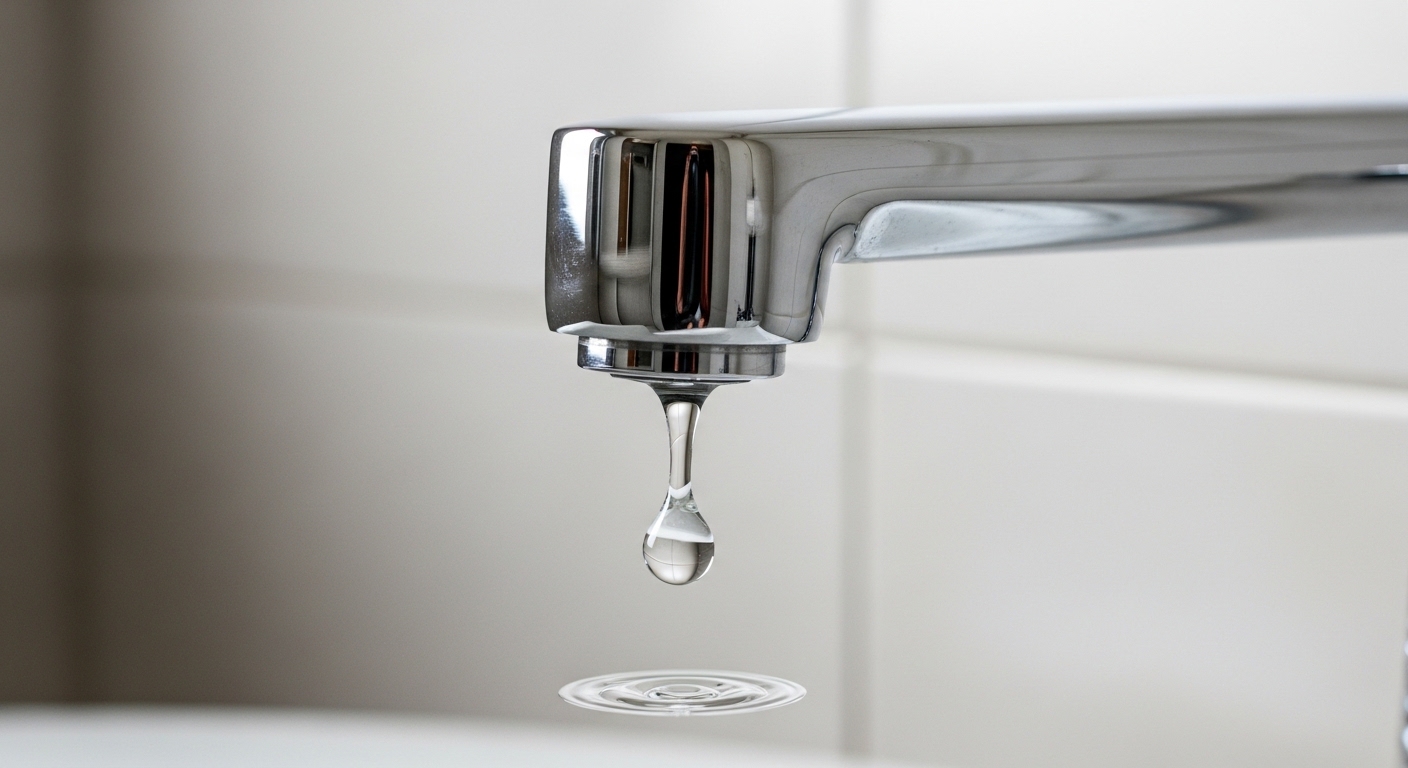
If your tub spout keeps dripping no matter how hard you crank the handle, you’re dealing with one of the most common — and most fixable — plumbing annoyances in any bathroom. The good news: the spout you see is rarely the real problem. Ninety percent of the time the leak traces back to a worn part inside the shower valve behind the wall, and you can fix it yourself in an hour with basic tools. This guide walks you through exactly why it happens, how to diagnose which part failed, and what to replace — with real numbers, not vague advice.
Why does my tub spout keep dripping even when the handle is fully off?
Because the water shut-off happens at the valve behind the wall, not at the spout — and a worn cartridge or seat washer inside that valve is letting a trickle sneak past. When those rubber and ceramic parts wear down, they can no longer seal completely, so pressurized water leaks through and travels out the path of least resistance: your tub spout.
Think of the tub spout as the end of a hose. It’s just an open pipe with no valve of its own (unless it has a diverter — more on that below). Whatever water leaks past the shut-off inside the wall drains straight out the spout because it sits at the lowest open point in the system. So a constant drip, even seconds or minutes after you’ve turned the handle off, points squarely at the valve internals. The three usual suspects:
- A worn cartridge (single-handle faucets and most modern valves) — the internal seals or ceramic disc no longer close fully.
- Worn seat washers and springs (two- and three-handle setups, especially older Delta-style valves) — the rubber seat that presses against the valve seat has flattened or cracked.
- A pitted valve seat — mineral buildup or corrosion has roughened the brass surface the washer seals against, so even a new washer won’t fully seal until the seat is dressed or replaced.
Hard water accelerates all three. Calcium and magnesium scale chews through rubber and scratches ceramic, which is why homes with hard water see dripping valves years sooner. If your whole house battles mineral buildup, our guide on which tap water filter to buy explains how filtration protects fixtures downstream.
Is the drip coming from a bad diverter or a bad valve?
Here’s the fastest way to tell: if water only drips from the spout while the shower is running, your diverter is bad. If it drips when everything is off, your valve cartridge or washers are the problem. This one observation cuts your diagnosis time in half.
A diverter is the little pull-up knob or internal gate that redirects water from the tub spout up to the showerhead. When it wears out, it can’t fully seal the tub outlet, so a portion of your shower water dribbles back out the spout instead of going up top. That’s normal aging of a rubber diverter washer or a spring-loaded gate — and the cleanest fix is replacing the entire spout, since diverter spouts are inexpensive and integrated. If you’re shopping for a replacement, our breakdown of what makes a quality tub spout with diverter covers the specs that actually matter (brass vs. zinc body, thread type, and slip-fit vs. threaded connection).
| Symptom | Most likely cause | Fix | Typical part cost |
|---|---|---|---|
| Drips constantly, handle off | Worn cartridge or seat washer | Replace cartridge / washers & springs | $8–$30 |
| Drips only while shower runs | Failed diverter in spout | Replace tub spout | $12–$40 |
| Drips + hard to turn handle | Scaled/pitted valve seat | Dress seat or replace seat + cartridge | $15–$45 |
| Drips worse over months | Progressive rubber degradation | Full cartridge rebuild kit | $20–$50 |
| Spout drips + handle drips | Multiple worn seals | Replace cartridge, O-rings, spout | $25–$70 |
How do I fix a dripping tub spout myself, step by step?
Shut off the water, pull the worn part, drop in the matching replacement, and reassemble — most people finish in 45–90 minutes with a screwdriver, a hex wrench, and an adjustable wrench. Here’s the exact sequence for the two most common scenarios.
Fixing a worn cartridge or washers (drips when off)
- Turn off the water. Use the shut-offs behind an access panel if you have them, or shut off the main. Open the tub faucet afterward to relieve pressure.
- Plug the drain so no small screws disappear.
- Pull the handle. Pry off the decorative cap, remove the screw, and slide the handle off. Remove the trim plate (escutcheon).
- Remove the retaining clip or bonnet nut holding the cartridge, then pull the cartridge straight out with pliers. Note its orientation — put the new one in the same way.
- Match the part. Take the old cartridge to the store or match the brand. A single-handle valve needs the exact single handle faucet cartridge for your model; a Delta-style two-handle valve usually needs Delta cartridge replacement parts including seats and springs.
- Grease and install. Coat the new O-rings with silicone plumber’s grease, seat the cartridge, replace the clip, and reassemble in reverse order.
- Test slowly. Turn the water back on gradually and watch for drips before reattaching the handle fully.
Fixing a bad diverter (drips only while showering)
- Identify your spout connection. Look underneath: a small setscrew means a slip-fit (slide-on) spout; no setscrew means it threads on.
- Remove the old spout. Loosen the setscrew and pull, or twist the threaded spout counterclockwise (insert a wooden dowel for leverage if it’s stuck).
- Measure and match. Note whether it’s slip-fit over a copper stub or threaded onto a nipple, and measure the length.
- Wrap threads with PTFE tape (threaded type) and hand-tighten the new spout, or slide on the new slip-fit spout and tighten the setscrew.
- Run the shower to confirm the diverter now sends water fully upward with no dribble at the spout.
If your spout is stuck fast or the copper stub is corroded, don’t force it — twisting hard can crack a pipe inside the wall and turn a $20 fix into a $600 one. When the valve itself is the issue and the cartridge won’t budge, our guide on how to remove an old shower faucet cartridge without wrecking the valve shows the puller technique that saves the day.
Why does my tub spout drip again a few weeks after I replaced the washer?
Because you fixed the washer but not the surface it seals against — a pitted or scaled valve seat will shred a brand-new washer within weeks. This is the single most common reason a DIY drip repair “fails.” The rubber isn’t the whole story; the brass seat it presses into has to be smooth.
Run your fingertip (carefully) around the valve seat inside the body. If it feels rough, gritty, or ridged, you have two options: dress it smooth with an inexpensive seat-grinding tool, or replace the seat entirely if it’s the removable type. On many older two-handle valves, the seats unscrew with a seat wrench (a squared or hex tool). Replacing both the seat and the washer together is the durable fix — do only one and you’re back with a drip by next season.
Hard water is usually behind repeat failures. If you’ve replaced parts more than once in a year, the underlying issue is water chemistry, not workmanship.
Should I repair the valve or just replace the whole tub faucet?
Repair it if the valve body is sound and only the internal parts are worn — that’s true in the vast majority of drips and costs a fraction of a replacement. Replace the whole faucet only if the valve body is cracked, the seats are non-removable and badly pitted, or you’re already renovating and want a new look.
Here’s the honest math. A cartridge or washer kit runs $8–$50 and takes an hour. A full valve replacement means opening the wall, soldering or press-fitting new supply connections, and often $250–$600 if you hire a plumber. So unless the valve body itself is compromised, repair wins on every axis: cost, time, and mess.
That said, if you’re upgrading anyway — say, moving to a matte black or brushed finish — this is the moment to do it. A modern matte black tub faucet with hand shower gives you a fresh valve, fresh seals, and a hand-held sprayer in one project, so you’re not paying twice for labor. And if you’re eyeing whether to buy Wigafaucet or another brand, it’s worth understanding what separates well-machined valves from cheap zinc ones before you commit.
What does it cost to fix a dripping tub spout, and is a drip really worth fixing?
Fixing it yourself costs $8–$70 in parts; hiring a plumber runs $125–$350 depending on your area and whether the valve needs opening. And yes — it’s absolutely worth fixing, because a single dripping tub spout wastes a startling amount of water and money.
A drip at one drop per second wastes roughly 3,000 gallons a year — enough for more than 180 showers, straight down the drain. At typical water and sewer rates that’s real money, and a hot-water drip also wastes the energy you paid to heat it. Beyond the bill, a chronic drip keeps the spout and tub surface constantly wet, which breeds mineral staining and mildew. Fixing a $15 part protects a much larger investment in your bathroom.
- DIY cartridge/washer swap: $8–$50 parts, 1 hour, no labor cost.
- DIY spout replacement: $12–$40 parts, 30 minutes.
- Plumber, simple cartridge: $125–$200.
- Plumber, valve rebuild or seat work: $200–$350.
FAQ
Why does my tub spout keep dripping only at night or in the morning?
It’s not actually time-related — you just notice it in a quiet house. Drips are constant; ambient noise masks them during the day. If the drip genuinely changes with time, it may track with water pressure fluctuations in your municipal supply, which can push slightly more water past a marginal seal during low-demand hours.
Can hard water alone make a tub spout drip?
Yes, indirectly. Hard water deposits scale on ceramic discs, rubber washers, and the valve seat, wearing them down and preventing a full seal far faster than soft water does. If you replace parts and the drip returns within months, hard water is the likely root cause and a filtration or softening solution is the long-term fix.
Do I need to shut off the whole house water to fix a dripping tub spout?
Only if you don’t have local shut-offs. Some tubs have shut-off valves behind an access panel (often in an adjacent closet or on the back of the wall). If yours doesn’t, shut off the main supply, then open the tub faucet to drain residual pressure before you start.
My tub spout drips but the showerhead doesn’t — what does that mean?
That’s classic worn-valve behavior. The spout sits lower than the showerhead, so any water leaking past the shut-off drains out the spout by gravity rather than climbing to the showerhead. It confirms the leak is inside the valve, not in the diverter or showerhead.
Is a dripping tub spout an emergency?
No, but don’t ignore it. It won’t flood your bathroom, but it wastes thousands of gallons a year and keeps surfaces wet enough to grow mildew and mineral stains. Fix it within a few weeks. If the drip suddenly worsens or the handle gets hard to turn, address it sooner — that signals accelerating internal wear.
How long should a new cartridge last before it drips again?
A quality brass-bodied cartridge with ceramic discs should last 8–15 years in normal water, and 5–8 years in hard water. If a new part fails within a year, the valve seat is almost certainly pitted and needs dressing or replacement — the washer alone can’t compensate for a rough sealing surface.
About the author: This guide was written by the Wigafaucet product team, drawing on hands-on bench testing of tub valves, cartridges, and diverter spouts across major valve standards. We disassemble and pressure-test the fixtures we sell so our repair advice reflects how these parts actually fail — not just spec sheets.
Why trust Wigafaucet: Wigafaucet designs and sells faucets and tub fixtures built to ASME A112.18.1 / CSA B125.1 performance standards, with ceramic-disc cartridges rated for 500,000+ open-close cycles and lead-free brass bodies backed by a limited lifetime warranty on finish and function. Every diverter spout we ship is cycle-tested before it leaves the line, and our support team can match a replacement cartridge to your exact valve model so your tub spout keeps dripping problem gets solved on the first try.