 Wiga Tap Manufacturer
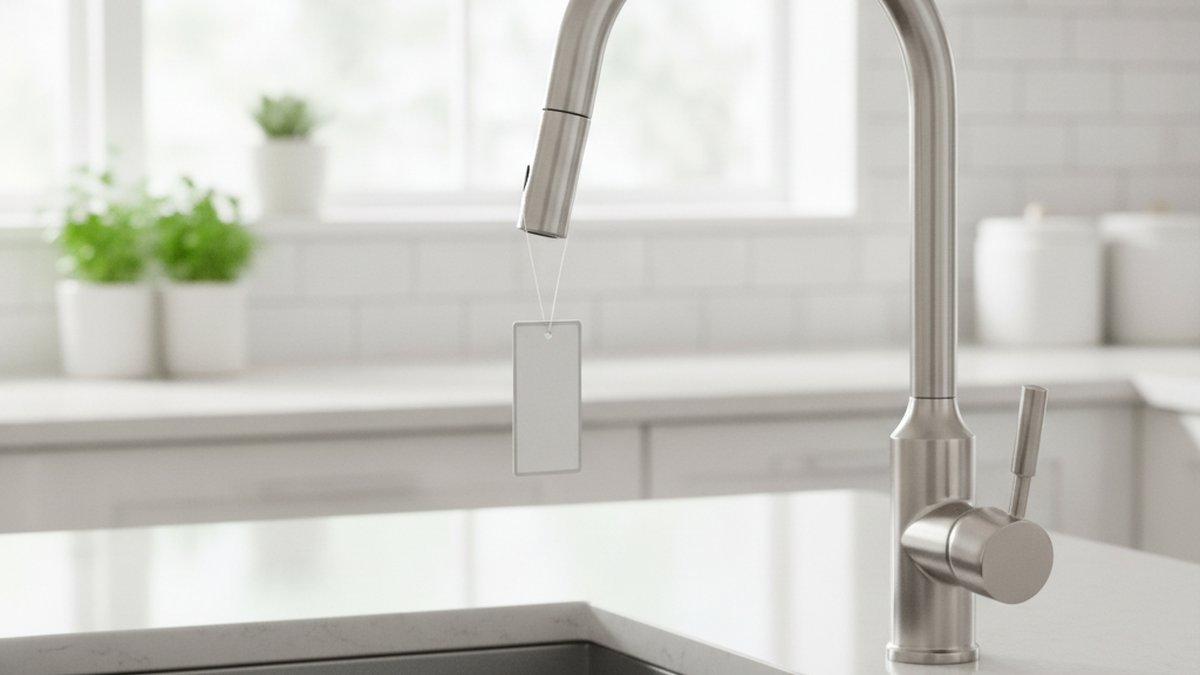
If you drink, cook, or fill a kettle from your kitchen tap, a lead free faucet kitchen setup is genuinely worth caring about — not marketing fluff. Lead is a cumulative neurotoxin with no known safe level, especially for kids and pregnant women, and old brass faucets used to contain up to 8% lead in the alloy that touches your water all day long. The good news: modern certified faucets have essentially engineered that problem out. Below I’ll explain exactly what “lead free” means (it’s a legal definition, not a vibe), how to verify a faucet really is compliant, when you actually need to replace one, and how to pick the right one without overpaying.
What does “lead free” actually mean on a kitchen faucet?
“Lead free” is a legal and testing standard, not a manufacturer’s opinion. In the U.S., a faucet can only be called lead free if the wetted surfaces — every part water touches on its way to your glass — have a weighted average lead content of no more than 0.25%. That threshold comes from the federal Reduced Lead in Drinking Water Act (effective January 4, 2014) and is enforced through two certifications you’ll see stamped on the box or the spec sheet.
- NSF/ANSI 372 — verifies the material content: the alloy itself meets the ≤0.25% lead rule.
- NSF/ANSI 61 — verifies leaching performance: they run water through the actual finished product and measure how much lead (and other contaminants) comes out over time. This is the one that proves it’s safe in real use, not just on paper.
Here’s the nuance most articles skip: “lead free” does not mean zero lead. Brass is a copper-zinc alloy, and small traces of lead can still exist below the 0.25% cap. What changed is that manufacturers switched to low-lead brass, bismuth brass, or stainless steel waterways so the amount that can leach is negligible. So when you see “lead free,” read it as “certified to leach essentially nothing,” not “no lead atoms exist anywhere.”
Do I actually need a lead free kitchen faucet if my house is new?
If your faucet was bought new in the U.S. after 2014 from a legitimate retailer, it’s almost certainly already lead free — so you don’t need to rush out and replace a working one. The compliance is baked into the product; you didn’t have to ask for it. The real risk cases are different:
- Older faucets (pre-2014). These can legally have contained up to 8% lead in the brass. If yours is a decade-plus old fixture, it’s the single most likely lead source at the tap itself.
- Gray-market or ultra-cheap imports. A no-name faucet from an overseas marketplace listing may not be certified for U.S. potable water even if the photo looks identical to a name brand. No NSF mark, no proof.
- “Not for potable use” fixtures. Some bar, utility, or decorative faucets are explicitly sold as non-potable and can skip the lead rules. People install them at a kitchen sink not realizing it.
One important reality check: the faucet is often not the biggest lead source in a home. Lead service lines and old solder in the plumbing usually matter more. So a lead free faucet is one layer — pair it with knowing your home’s plumbing age, and if you’re on an older service line, a certified filter does the heavy lifting. That’s why many families combine a certified faucet with a filter; if you’re weighing filter options, our guide on which tap water filter to actually buy breaks down which types remove lead versus just improving taste.
How can I tell if a faucet is really lead free before I buy it?
Look for the certification marks and body material — in that order — and don’t trust the word “lead free” alone. Marketing text is cheap; a third-party certification is verifiable. Here’s your 30-second checklist:
- Certification logos: NSF, WQA, IAPMO, or CSA marks referencing NSF/ANSI 61 and 372 (or the combined “NSF/ANSI 372” + “Annex G”). One without the other is a yellow flag.
- Waterway material: stainless steel or low-lead brass waterways are the gold standard. A faucet that routes water through a stainless or PEX-lined channel physically limits contact with any brass at all.
- State compliance line: phrases like “meets California AB 1953 / Vermont Act 193” or “complies with the Safe Drinking Water Act.” California and Vermont drove the strictest early rules, so this language is a good sign.
- Documentation on request: a reputable brand will give you a spec sheet or compliance PDF. If a seller can’t produce one, walk away.
Material choice also affects durability, not just lead — a debate we cover in depth in zinc alloy vs stainless steel faucets. Short version: for a drinking-water faucet, a solid brass or stainless body with a certified stainless waterway is the sweet spot of safety and longevity, while cheap zinc-alloy bodies are best avoided at the kitchen sink.
Lead free faucet materials compared — which waterway is safest?
Not all “lead free” faucets are built the same. The certification is a pass/fail floor, but the waterway material determines how far above that floor you sit. Here’s how the common options stack up.
| Waterway / Body Material | Lead Risk | Durability | Typical Price (kitchen) | Best For |
|---|---|---|---|---|
| Stainless steel body + stainless waterway | Lowest — no brass contact | Excellent, corrosion-proof | $150–$400 | Drinking water, health-focused homes |
| Low-lead brass (certified) | Very low — ≤0.25% by law | Excellent, classic | $120–$350 | Most kitchens; best all-rounder |
| Brass body + PEX/plastic lined waterway | Very low — water avoids brass | Good | $90–$250 | Budget-conscious, still certified |
| Zinc alloy body (certified) | Low if certified, but check | Fair — softer metal | $40–$120 | Light use; not ideal for daily drinking |
| Uncertified import (unknown) | Unknown — avoid | Unknown | $20–$60 | Nothing potable |
The takeaway: if drinking water is your priority, spend up for a stainless or PEX-lined waterway. You’re not paying for luxury — you’re paying to keep water from ever touching brass. For a standard three-hole or single-hole install, this doesn’t cost much more; if you’re choosing a mounting style, our rundown of the 6-inch centerset kitchen faucet covers which hole configuration fits your sink deck.
How do I replace an old faucet with a lead free one myself?
You can swap most kitchen faucets in 45–90 minutes with basic tools — no plumber required for a standard deck-mount. The lead free part isn’t a special install; it’s just choosing the right faucet. But do flush it correctly afterward, which most people skip.
- Shut off the water at the two supply valves under the sink and open the old faucet to release pressure.
- Disconnect the supply lines with a basin wrench, then remove the mounting nuts holding the old faucet down.
- Lift out the old faucet and clean the deck of old putty or gaskets.
- Set the new certified faucet, tighten the mounting hardware, and reconnect the supply lines (use new braided stainless lines if the old ones look worn).
- Turn the water back on, check for leaks, and remove the aerator to flush debris.
- Flush the new faucet: run cold water for 3–5 minutes and, for the first week, run it 15–30 seconds before drinking each morning. New fixtures and pipes shed trace metals initially — this clears them.
If your removal turns into a fight with a stuck or leaking old fixture, our step-by-step kitchen faucet repair guide covers freeing corroded nuts and dealing with worn supply lines so you don’t strip anything.
Does a lead free faucet change the taste or flow of my water?
No — a certified lead free faucet doesn’t change taste or flow on its own, because “lead free” is about the alloy, not filtration. If your water tastes metallic or off, that’s coming from your pipes, your water source, or a lack of filtration, not from a compliant faucet. A lead free faucet won’t filter anything; it simply avoids adding lead.
If you want taste and contaminant removal too, you have two paths: a faucet with a built-in filter cartridge, or a separate under-sink or countertop filter feeding a dedicated tap. For daily drinking water, many people keep a standard certified kitchen faucet for washing and add a filtered drinking line. Just make sure whatever filter you choose is itself certified to reduce lead (NSF/ANSI 53), because plenty of filters only handle taste and odor.
What does a lead free kitchen faucet cost, and is it worth the money?
Expect $90–$250 for a solid certified single-handle pull-down kitchen faucet in 2026, with premium stainless-waterway models running $250–$400. That’s the same range as any decent kitchen faucet — because lead free is now the default, you’re rarely paying a “safety premium.” What you’re really paying for is body material, finish quality, and spray-head engineering.
Is it worth it? For a fixture you fill drinking glasses from every day for 10+ years, yes without hesitation. The cost difference between a questionable uncertified import and a certified name-brand faucet is often $40–$80 — pennies per year of use for verified drinking-water safety. The place to be careful is the very bottom of the market, where “lead free” claims aren’t backed by any certification you can check.
FAQ
Are all kitchen faucets sold in the U.S. lead free now?
Legally, any faucet sold for potable (drinking) water in the U.S. must meet the ≤0.25% lead standard since January 2014. But two gaps remain: faucets explicitly labeled “not for potable use” (some bar, utility, or decorative models) and uncertified gray-market imports that slip through online marketplaces. If you bought from a mainstream retailer for a kitchen sink, you’re covered; if you bought a no-name model from an overseas listing, verify the NSF/ANSI 61 and 372 certifications yourself.
Can an old faucet leach lead even if the water looks clear?
Yes. Lead is invisible, tasteless, and odorless in water — you cannot see, smell, or taste it. A pre-2014 brass faucet can slowly leach lead, especially when water sits in it overnight (that first-morning draw is the highest). Running the tap 30 seconds before drinking reduces exposure, but replacing an old faucet with a certified lead free model removes the source at the tap.
Is stainless steel or brass better for a lead free kitchen faucet?
Both can be fully certified and safe. Stainless steel (or a certified stainless waterway inside a brass body) is the safest because water never contacts brass at all, and it won’t corrode. Certified low-lead brass is the classic all-rounder — durable, widely available, and compliant. Avoid soft zinc-alloy bodies for a daily drinking-water faucet; they’re fine for light-use spots but not the best choice at the main kitchen sink.
Does a lead free faucet remove lead already in my water?
No — this is the most common misunderstanding. A lead free faucet only avoids adding lead; it does not filter lead that’s already in your water from service lines, old solder, or your municipal supply. If your home has lead plumbing upstream, you need a filter certified to NSF/ANSI 53 for lead reduction in addition to a lead free faucet. The two work together.
How do I know my specific faucet is certified — where do I look?
Check three places: the product box or hangtag for NSF/WQA/IAPMO/CSA logos referencing NSF/ANSI 61 and 372; the manufacturer’s spec sheet or compliance PDF on their website; and the certifier’s public database (NSF and WQA let you search a model number). If a brand can’t point you to any of these, treat the “lead free” claim as unverified and choose a faucet that can prove it.
Do I need to replace supply lines and shutoff valves too?
For maximum safety, yes if they’re old. The lead rules also cover supply stops and connectors, so modern braided stainless supply lines and certified valves are a smart, cheap upgrade to do at the same time as the faucet. It adds $15–$30 and removes another potential brass contact point on the water’s path to your glass.
The bottom line: is a lead free faucet kitchen upgrade worth doing?
If your faucet is post-2014 and certified, you already have it — enjoy your water. If your faucet is old, uncertified, or you simply don’t know its history, a certified lead free faucet kitchen upgrade is one of the highest-value, lowest-cost health improvements you can make, and most people can install it themselves in under 90 minutes. Buy certified (NSF/ANSI 61 + 372), favor a stainless or low-lead brass waterway, flush it properly, and — if your home’s plumbing is old — pair it with a lead-rated filter. That’s the whole playbook.
Author note: This guide was written by the wigafaucet product team, who specify, pressure-test, and certify kitchen and bathroom fixtures for daily residential use. We evaluate faucets against NSF/ANSI 61 and 372 lead standards, cross-check manufacturer compliance documentation, and stand behind our fixtures with a manufacturer warranty. wigafaucet has helped thousands of homeowners choose safe, durable faucets — our guidance is based on hands-on testing and published drinking-water standards, not sponsored placements. Standards and regulations can change; always confirm current certification for your specific model before purchase.