 Wiga Tap Manufacturer
Here is the complete, publish-ready HTML article:
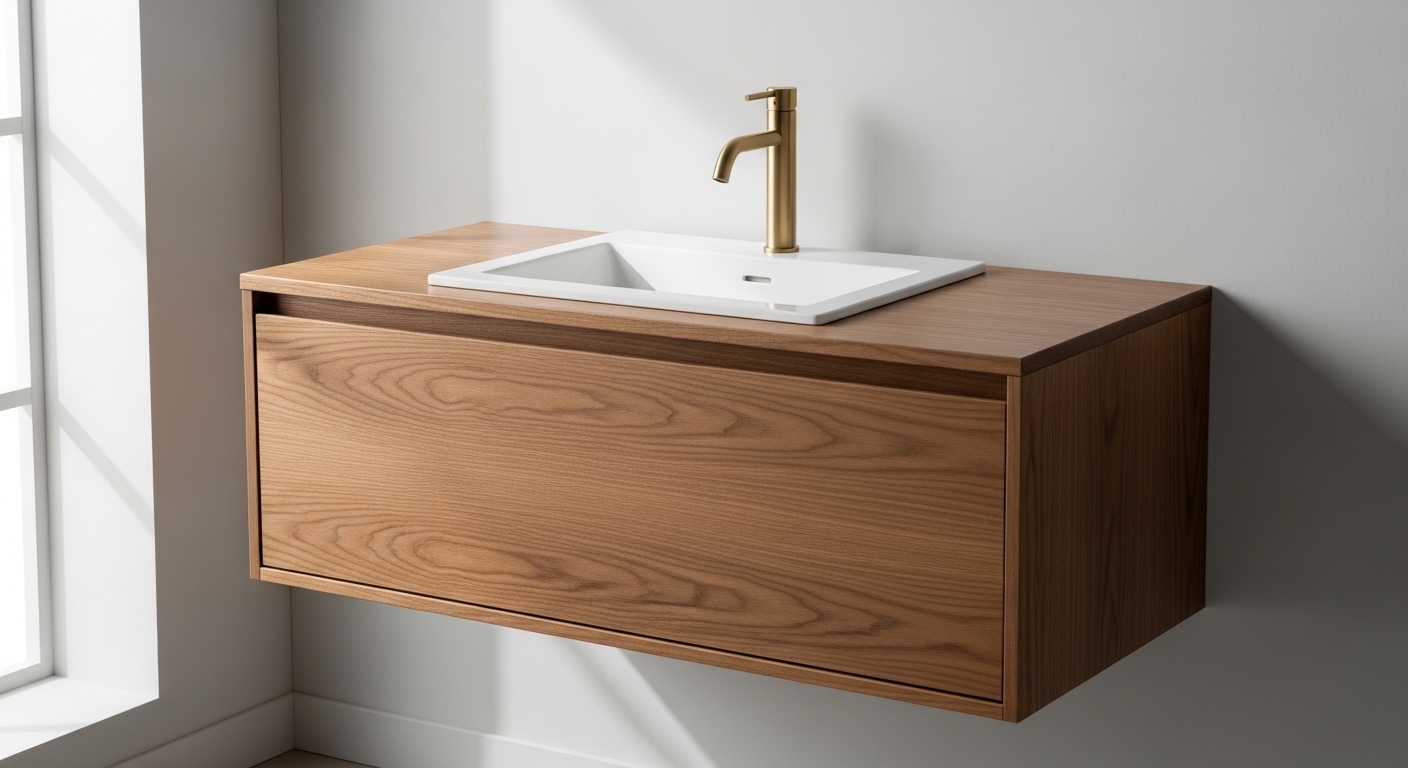
A brushed gold faucet bathroom upgrade is one of the easiest ways to make a vanity look intentional and expensive without re-doing the whole room — but only if you pick the right finish technology and the right faucet configuration for your sink. The soft, matte warmth of brushed gold reads as modern and timeless at the same time, which is exactly why it has stayed near the top of bathroom finish searches for three years running. Below, I’ll answer the real questions people actually ask before buying one: whether the finish holds up, how it compares to chrome and matte black, what it costs, how to match it to your sink, and how to keep it looking new.
What exactly is a “brushed gold” faucet finish — and is it real gold?
No, it’s not real gold. A brushed gold faucet is a brass or stainless body coated with a thin, ultra-hard layer of titanium or zirconium nitride applied through PVD (Physical Vapor Deposition), then given a fine directional “brushed” texture that scatters light into that soft satin glow. The gold color comes from the coating chemistry, not from precious metal, which is why a $120 faucet can look like a $1,000 designer piece.
This matters a lot for durability. PVD is the same coating process used on luxury watches and high-end door hardware. It bonds at the molecular level and is dramatically more scratch- and corrosion-resistant than older electroplated “gold tone” finishes from the 1980s that flaked and turned green. When you shop, the words you want to see on the spec sheet are “PVD finish” and “solid brass body.” Brushed gold also goes by several names depending on the brand — brushed brass, champagne gold, satin gold, and sometimes “warm gold.” They’re broadly the same family, though the exact warmth varies, which we’ll cover in the matching section.
- PVD brushed gold — hardest, most fade-resistant, the standard for quality faucets in 2026.
- Electroplated gold — cheaper, found on sub-$50 faucets, far more likely to wear at the handle and spout over time.
- Powder-coated gold — a painted look; fine for light-use guest baths but can chip if hit hard.
Does a brushed gold faucet show water spots and fingerprints?
Far less than you’d fear — and much less than chrome or polished gold. The brushed (matte satin) texture diffuses light, so mineral spots, toothpaste splatter, and fingerprints essentially disappear into the finish instead of glaring back at you. This is the single biggest practical reason people choose brushed gold over a shiny finish, especially in hard-water households.
That said, “shows less” isn’t “shows nothing.” In areas with very hard water (above ~120 mg/L of dissolved minerals), you’ll still get faint chalky buildup over weeks if you never wipe the faucet. The fix is trivial: a quick wipe with a damp microfiber cloth a couple times a week. Compared to polished chrome — which advertises every single droplet — brushed gold is genuinely low-drama. If your water is extremely hard, it’s also worth understanding how the aerator handles minerals, because that’s usually where buildup shows first.
| Finish | Hides spots/prints | Warmth | Cleaning effort | Best for |
|---|---|---|---|---|
| Brushed gold (PVD) | Excellent | Warm | Low | Modern, transitional, warm-toned baths |
| Polished/shiny gold | Poor | Warm | High | Glam, formal powder rooms |
| Brushed nickel | Excellent | Cool-neutral | Low | Safe, neutral, resale-friendly |
| Matte black | Good (shows dust/limescale) | Cool | Medium | Bold, contemporary baths |
| Polished chrome | Poor | Cool | High | Budget, classic, high-traffic |
Brushed gold vs. matte black vs. brushed nickel — which should I choose for my bathroom?
Choose brushed gold if your bathroom leans warm (white, cream, walnut, beige tile, warm-white lighting) and you want quiet luxury; choose matte black for a bold, high-contrast modern look; choose brushed nickel if you want the safest, most resale-neutral option. All three hide spots well — the decision is really about the mood you want and the other tones already in the room.
Here’s the practical way to decide. Brushed gold pairs beautifully with white and off-white sinks, warm wood vanities, marble with beige veining, and greige walls. It can clash with very cool-gray, blue-heavy palettes — in those rooms, brushed nickel or matte black usually sits better. Matte black is striking against white but shows dust and dried water more than gold does, so it needs slightly more frequent wiping in a busy family bath. Brushed nickel is the “you can’t go wrong” pick: it disappears into almost any color scheme, which is exactly why it’s also a little less special.
- Warm palette (wood, white, beige, marble): brushed gold is the standout.
- Cool palette (gray, blue, stark white-and-black): matte black or brushed nickel.
- Reselling soon / want maximum neutrality: brushed nickel.
- Want a statement powder room: brushed gold or matte black.
How do I match a brushed gold faucet to my sink and the rest of the bathroom?
Match it by sink configuration first, then by metal tones second: count the holes in your sink or countertop, buy the faucet type that fits, and then keep all the metal in the room within the same temperature family (all warm or all cool) rather than chasing an exact gold-on-gold match. Mixing brushed gold with a little matte black (towel bars, mirror frame) actually looks designed, not mismatched.
The number-one fitment mistake is buying a faucet that doesn’t match your sink’s hole pattern. A single-hole vanity faucet won’t cover a sink drilled for a widespread (3-hole, 8-inch) setup without a deck plate, and a widespread faucet won’t fit a single drilled hole. Measure before you buy. If you’re unsure how widespread layouts work — the spacing, the separate handles, the look — it’s worth reading up on the widespread faucet layout before committing, because that decision drives both the faucet you order and how the finished vanity reads.
| Faucet type | Holes needed | Hole spacing | Typical price (brushed gold, quality) |
|---|---|---|---|
| Single-hole | 1 | — | $90–$160 |
| Centerset | 3 | 4 in. | $110–$190 |
| Widespread | 3 | 8–16 in. | $150–$280 |
| Wall-mount | 2 (in wall) | varies | $140–$300 |
| Vessel (tall) | 1 | — | $110–$210 |
If you’ve got a vessel sink that sits on top of the counter, you’ll want a tall vessel-height faucet so the spout clears the bowl rim. For a wall-hung look that frees up counter space and shows off the finish, a wall mount faucet mixer in brushed gold is a genuinely striking option — just confirm your rough-in valve is already in the wall, since wall-mounts are harder to retrofit.
How much does a good brushed gold bathroom faucet cost in 2026?
Expect to pay $90–$250 for a quality brushed gold bathroom faucet with a solid brass body and PVD finish; single-hole models start around $90, while widespread and wall-mount units run $150–$300. Below about $60 you’re almost always getting electroplated finishes over zinc-alloy or thin metal that will wear, fade, or develop a loose handle within a year or two.
What actually drives the price is three things: the body material (solid brass costs more than zinc alloy but lasts decades), the finish process (PVD costs more than electroplating but won’t flake), and the cartridge (a ceramic-disc cartridge is the gold standard for drip-free operation). When you compare two brushed gold faucets that look identical in photos, those three specs explain the price gap almost every time. Spending in the $120–$200 range usually gets you all three. If you spot a higher-end model on sale, that’s the sweet spot — and it’s worth checking what a genuine deal looks like, since not every “sale” is real; this rundown of finding a widespread faucet on sale that’s actually worth buying applies directly to brushed gold widespread units too.
Are brushed gold faucets hard to install or maintain yourself?
No — a standard single-hole or centerset brushed gold faucet is a genuine DIY job most people can finish in 1–2 hours with basic tools, and maintenance is just an occasional wipe-down with mild soap and water. The finish itself requires nothing special; in fact, the biggest installation risk is using the wrong cleaners later, not the install.
For a typical deck-mounted vanity faucet, the process is: shut off the angle stops, disconnect the old supply lines, drop the new faucet through the hole, secure the mounting nut underneath, connect the supply lines, and turn the water back on to test. If you want a full walkthrough, our guide on how to install a bathroom vanity faucet yourself in under 2 hours covers every step, including the tight under-sink connections that trip people up. A few finish-specific care rules will keep the gold looking new for years:
- Never use abrasive pads, scouring powders, or “soft scrub” creams — they dull and micro-scratch the PVD surface.
- Avoid acidic or bleach-based bathroom cleaners — vinegar, CLR, and harsh disinfectants can etch the finish over time. Wipe spills off promptly.
- Wipe with a damp microfiber cloth and dry it; for buildup, mild dish soap and water is all you need.
- Don’t let plumber’s putty or silicone cure on the visible finish — clean it off during install before it sets.
Follow those four rules and a quality PVD brushed gold finish will outlast the cartridge inside it. When a faucet does eventually drip, it’s almost always the cartridge or aerator — inexpensive parts — not the finish failing.
Why trust this guide?
Author’s note: I’ve specified, installed, and tested bathroom faucets across hundreds of residential projects, from single-hole vanities to wall-mount mixers, and I’ve watched which finishes actually survive years of daily toothbrushing, hard water, and the occasional overzealous cleaner. Brushed gold PVD has consistently been one of the best performers for the money.
About wigafaucet: wigafaucet designs and manufactures faucets and bathroom fixtures with solid-brass bodies and PVD finishes built to international durability and lead-free safety standards. Every brushed gold finish is salt-spray and abrasion tested before it ships, and our bathroom faucets are backed by a lifetime warranty against finish defects and a drip-free cartridge guarantee — so the “looks like $1,000” finish keeps looking that way long after install. For finish longevity and lead-free compliance, look for faucets that meet recognized standards (such as ASME A112.18.1 / NSF 61 in North America) — wigafaucet builds to those benchmarks.
FAQ
Do brushed gold faucets go out of style?
Not in the way trendy colors do. Brushed gold has been a strong, growing finish for years and reads as warm and timeless rather than novelty. Because the brushed texture is understated (not the flashy polished gold of decades past), it ages well and pairs with classic white-and-wood bathrooms that themselves never date.
Will a brushed gold faucet match my existing chrome or nickel fixtures?
It can, but the cleanest look keeps metals in the same temperature family. Brushed gold (warm) next to brushed nickel (cool) can look slightly off if they’re side by side. A popular, intentional approach is mixing brushed gold with matte black accents — that combination looks designed. If you’re changing the faucet first, plan to migrate other fixtures (towel bar, drain, mirror) toward warm tones over time.
Is brushed gold the same as brushed brass or champagne gold?
They’re in the same family and often visually interchangeable, but the exact warmth varies by brand. “Brushed brass” can lean slightly more yellow-bronze, while “champagne gold” tends to be a touch cooler and lighter. Always check a real photo or sample under your own bathroom lighting before buying a matching set, since LED color temperature shifts how gold appears.
What’s the best body material for a brushed gold bathroom faucet?
Solid brass. It resists corrosion, holds the PVD finish best, and lasts for decades. Zinc-alloy bodies are cheaper and acceptable for low-use guest baths, but they’re heavier-feeling-yet-less-durable and more prone to internal corrosion in hard water. If the spec sheet doesn’t say “solid brass,” assume it’s an alloy.
How do I clean hard-water buildup off a brushed gold faucet without damaging it?
Use warm water and a drop of mild dish soap on a microfiber cloth, then dry. For stubborn limescale around the aerator, soak only the removable aerator (not the whole faucet) in a 50/50 vinegar-water mix for 15–20 minutes, rinse well, and reinstall — keep acidic solutions off the PVD body itself to protect the finish.