 Wiga Tap Manufacturer
The April wind sweeps through the streets and alleys of Milan, and also stirs the hearts of those in the domestic sanitary ware industry. The annual Milan International Furniture Fair has unfolded as scheduled. This city has long been revered as the sacred hall of global sanitary ware design, a weather vane of craftsmanship and aesthetics, and a holy land that countless industry practitioners flock to in their hearts. This year is no different—a large group of sanitary ware peers have shouldered their bags and journeyed afar. Some go with reverence to pay homage, others go with utilitarian motives to replicate. Inside the exhibition halls, crowds surge, cameras and tape measures intersect, turning this international grand event into a “source-material site” for blatant copying and plagiarism.
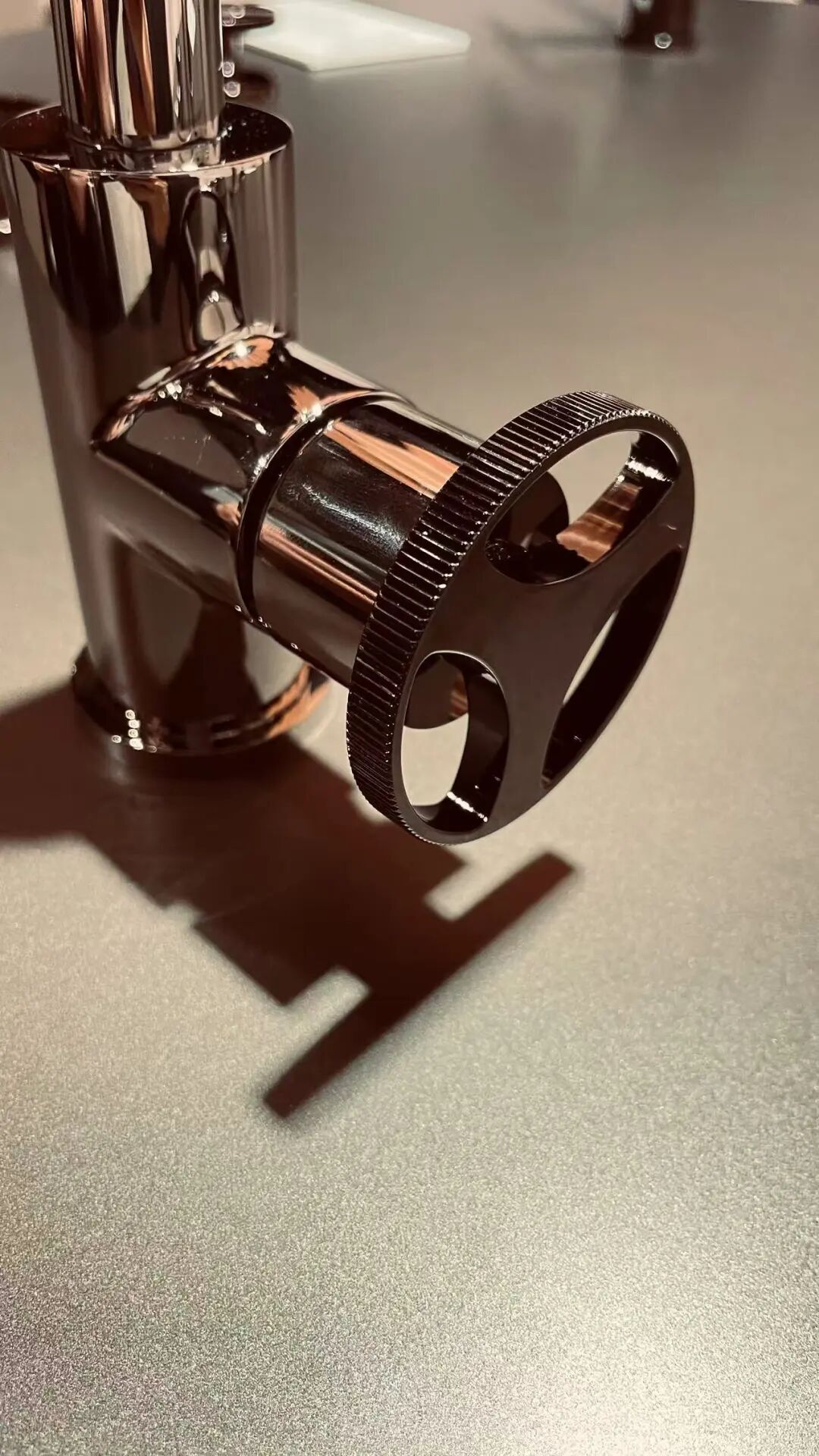
As for me, I have never set foot in Milan. I merely browsed through the on-site photos sent back by friends, my gaze sweeping over those sought-after sanitary ware exhibits, and everything was just as I had anticipated: the so-called cutting-edge designs are nothing more than a repetitive accumulation of past aesthetics; the so-called trendy new products still linger within the old framework. There are no longer any disruptive creative bursts, no thinking that breaks through industry boundaries. Those seemingly exquisite faucet curves, bathroom cabinet lines, and shower room textures ultimately cannot escape the century-old design rut of the West. In both aesthetics and craftsmanship, they have already reached a bottleneck.
Looking at the vaguely familiar forms in the photos, and recalling the chaos in the domestic industry, my heart cannot help but feel a mixture of emotions. For a long time, we have been too accustomed to looking up to Milan, blindly following European design, regarding Italian sanitary ware as the sole yardstick of high-end aesthetics, and treating century-old sanitary ware brands from Germany and Italy as insurmountable peaks of the industry. Thus, the significance of journeying to Milan has gradually deviated from the original intention of broadening horizons and exchanging refinements, devolving into a shortcut for photographing and copying designs, replicating templates, and pilfering details. In the exhibition halls, some people stare intently at every exhibit, not letting a single line or fitting escape their notice. Upon returning, they disassemble and prototype, swap labels and mass-produce, turning shallow reference into low-level plagiarism, and letting blind trend-following replace original thinking.
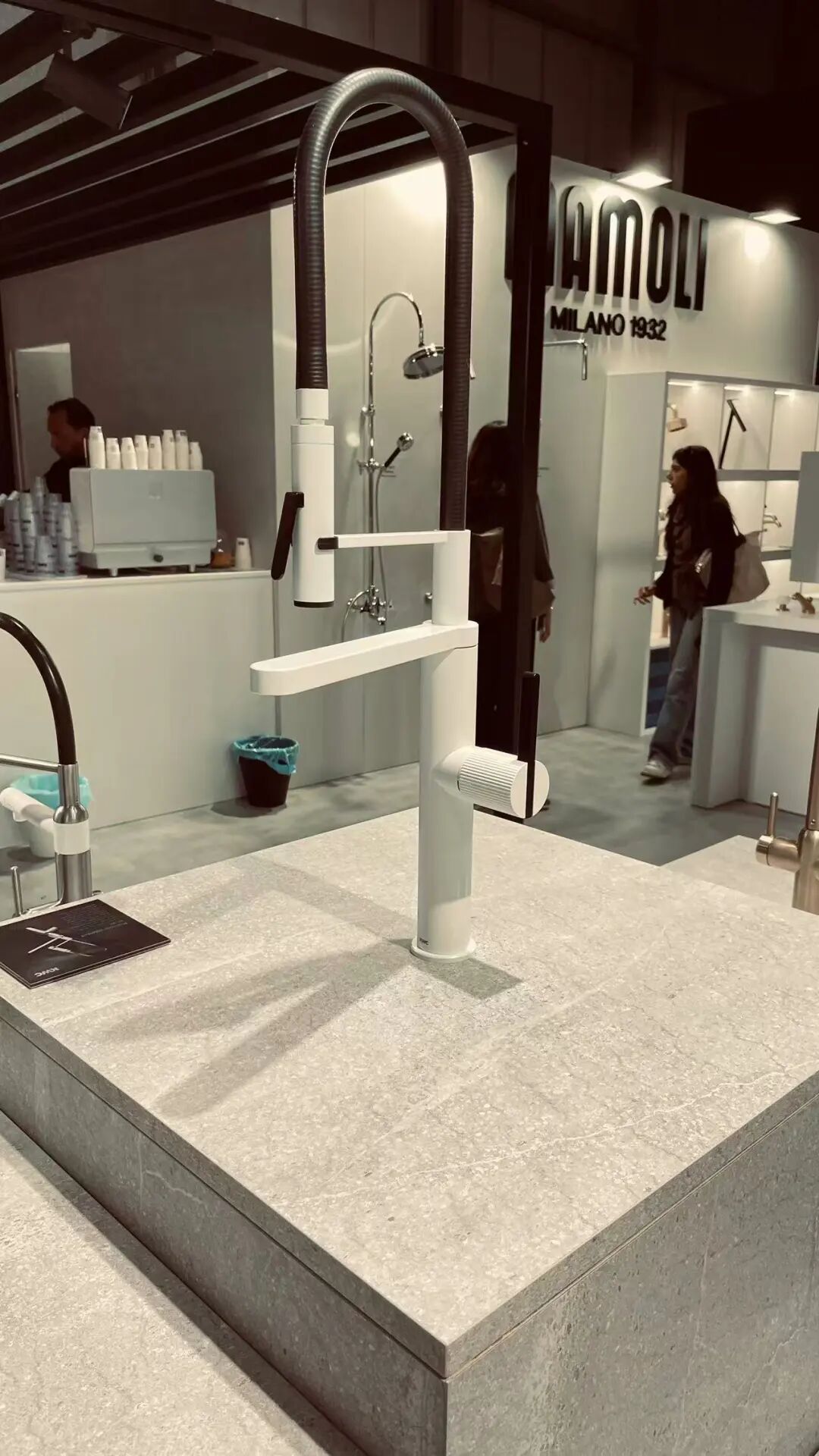
This predicament traps the entire pace of China’s sanitary ware industry. We willingly set aside our own cultural heritage, blindly catering to Western aesthetics, exhausting ourselves in plagiarism and homogenized internal competition. We affix labels of “cheap,” “trend-following,” and “lacking originality” to Chinese manufacturing, and in the international market we forever live in the shadow of European design, willingly playing the follower, losing our own confidence and discourse power. Everyone says Italian sanitary ware leads the trend and European craftsmanship is unmatched, yet we have forgotten that the accumulation of the Western modern sanitary ware industry is merely a hundred years, while the Chinese wisdom of crafting around water and cleanliness has stretched on for thousands of years.
We have a bathing philosophy uniquely our own, rooted in the East; we have a craftsmanship lineage embedded in Chinese civilization; we have manufacturing strength second to none in the world; and we have the confidence to break the Western monopoly on design. Milan’s design has already solidified, stagnating in repetition and replication, while we ourselves need not follow in lockstep, need not lose ourselves in copying. What those Western brands rely on for their footing is their cultural context and industrial accumulation, while what we possess is the profound foundation of thousand-year-old Eastern aesthetics, a deep understanding of Chinese people’s living habits, and an increasingly complete full industrial chain together with top-tier manufacturing craftsmanship.
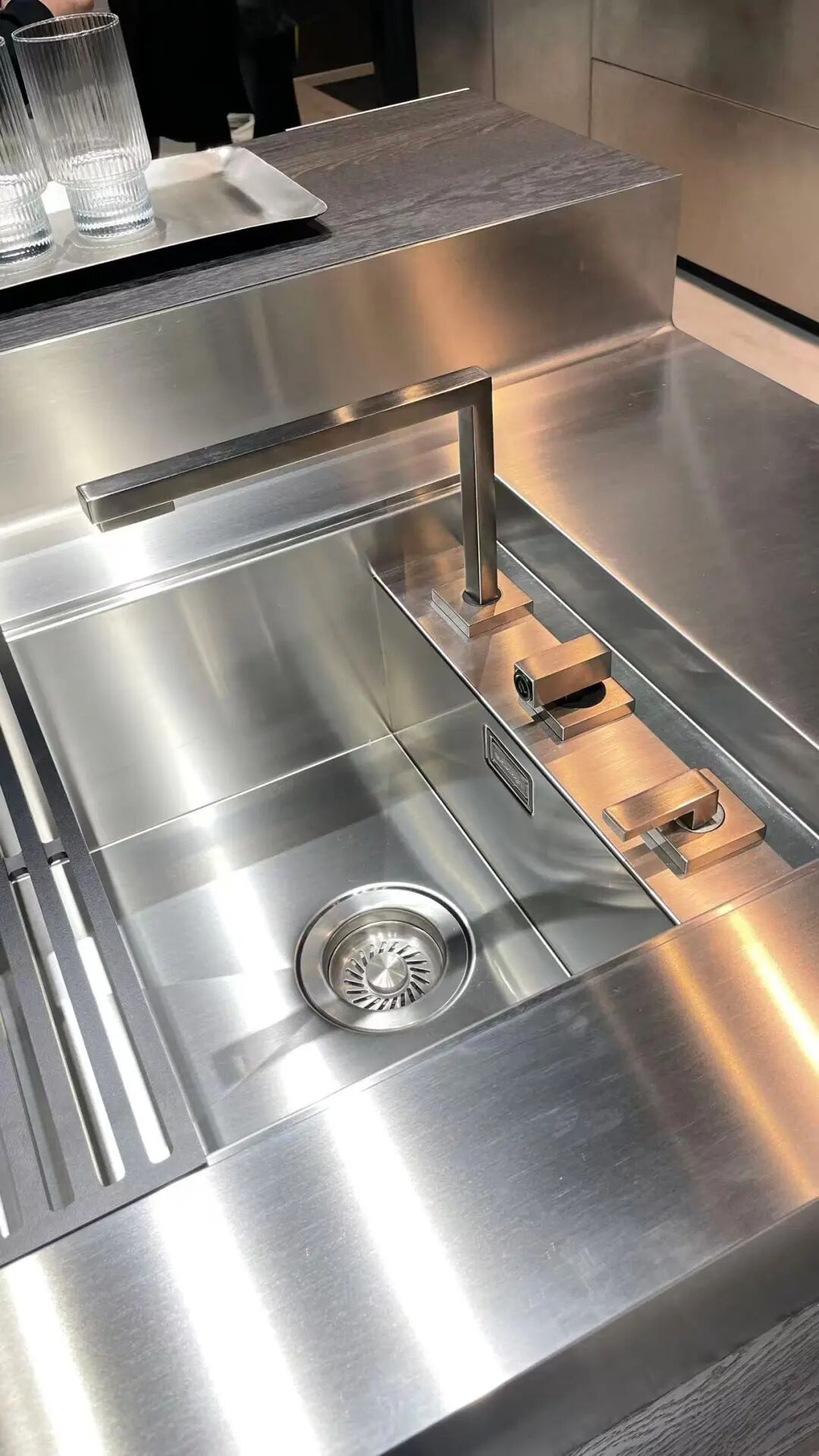
Today’s Milan has no novelty left to copy, no trends left to chase. Rather than traveling far to blindly pay homage and shoddily replicate, it would be better to settle down, return to our native soil, deeply explore the beauty of Eastern craftsmanship, and reconstruct the original soul of Chinese sanitary ware. We no longer need to look up at the aura of Western design, no longer need to rely on copying others’ achievements to gain a foothold. We must break out of the cycle of imitation, abandon the shortsightedness of plagiarism, and—with Eastern aesthetics as our bones and modern craftsmanship as our wings—create sanitary ware products that truly belong to China.
Without going to Milan, I have seen the industry’s road ahead clearly. The era of Western design has already entered a bottleneck, and the rise of Chinese sanitary ware is at its opportune moment. What we must do is not to follow, but to disrupt; not to replicate, but to pioneer. Breaking prejudice with originality, forging confidence with culture—there will come a day when we no longer need to journey to Milan to look up to others, but rather let the world look toward China, and let Eastern sanitary ware aesthetics lead the new global industry trend.
Originally published in WeChat by Wu Ren Wen Jin Wei Yu Shang Ye Za Tan on 2026-05-15. Translated and edited for English-language readers.